



Roku 2 XS Review : Streaming Videos and Casual Gaming on the Big Screen
by Ganesh T S on September 30, 2011 11:59 AM EST- Posted in
- Media Streamer
- Roku
- Netflix
Roku is one of the pioneers in the media streamer market. Right from their founding in 2002, they have concentrated upon network streaming with only rudimentary local media support. While companies like Syabas were perfecting local media playback, Roku was furthering their network streaming ecosystem. The extensive SDK and support from Roku for channel creation has endeared them to users and content delivery guys alike. It might not be far off the mark to note that Roku has a cult-like following.

As Netflix streaming took off in a big way, Roku was there at the forefront to ride the wave. The 2008 Roku DVP was the first Netflix streamer, and Roku has been dutifully introducing new models every year since then. Till 2010, all the Roku models were based on an NXP chipset. Roku 2, introduced in 2011, completely revamped the platform. The rise of connected TVs and the Smart TV push from Intel forced Roku to rethink the strategy for their products. From being a plain network media streamer, it transformed into a palm sized casual gaming machine also.
| Roku 2 Model Lineup at Launch | |||||||
| A/V Options | Max. Resolution | Networking | USB Support | Remote Technology | |||
| Roku 2 HD | Composite / HDMI | 720p | 802.11 b/g/n (2.4GHz) | No | IR (Bluetooth compatible) | ||
| Roku 2 XD | Composite / HDMI | 1080p | 802.11 b/g/n (2.4GHz) | No | IR (Bluetooth compatible) | ||
| Roku 2 XS | Composite / HDMI | 1080p | Fast Ethernet + 802.11 b/g/n (2.4GHz) | Yes | Bluetooth (IR compatible) | ||
We tested out the top end unit in the lineup. The Roku 2 XS comes with the Bluetooth based gestural remote control and also comes with the Angry Birds game for free.
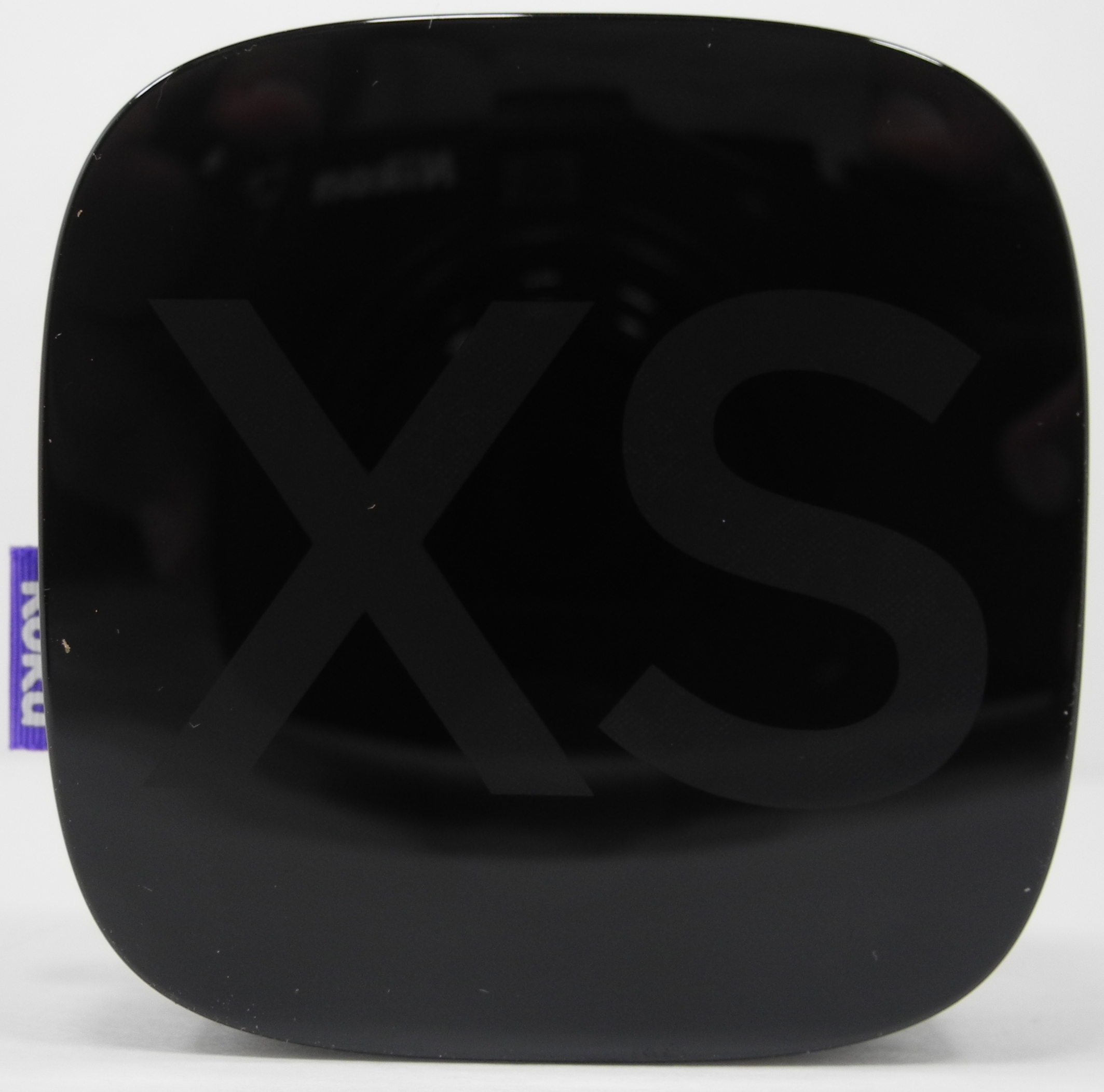
It is the only unit in the lineup to have support for wired Ethernet as well as a USB port for local media playback. This has given us a chance to evaluate all that Roku has to offer with the Roku 2 lineup.


 Facebook
 Twitter
 RSS
RSS


35 Comments
View All Comments
quiksilvr - Friday, September 30, 2011 - link
There is no point getting the XS if it's usb media playback capability is so poor. I'm not playing online with this thing so the wireless would do just fine. Might as well save $20 and get the $79 one.bobsmith1492 - Friday, September 30, 2011 - link
This looked like a nice product until it said you have to give them your credit card. No thanks, not interested. Not a chance.fic2 - Friday, September 30, 2011 - link
I agree. I stopped reading at that point.Hauk - Wednesday, October 5, 2011 - link
I'm in the market for a streaming device; no chance with the credit card requirement. Like the other guy said, I stopped reading at that point.slick121 - Friday, September 30, 2011 - link
Wow the local playback is not good at all. The ATV2+XBMC still seems to be the best local streaming solution.Death666Angel - Friday, September 30, 2011 - link
"and is expected to cost lower than the Roku 2 HD"Isn't it "expected to cost less than"? Otherwise, good review. Though I don't care much for media players like that. Full blown HTPC all the way for me! :D
JarredWalton - Friday, September 30, 2011 - link
Fixed, along with numerous other typos and grammatical errors. Thanks.racerx_is_alive - Friday, September 30, 2011 - link
I noticed that they had a couple new software revisions out since last year, and most of the criticisms in your initial review were of the software, either stability/compatibility bugs or the software.I was just wondering if these fixes have made the difference in turning it from a "wait and watch" recommendation to something a little more positive.
racerx_is_alive - Friday, September 30, 2011 - link
oops- or of the web browser. Redundant phrase is redundant.ganeshts - Friday, September 30, 2011 - link
We have been waiting for the HD audio dropout bug to be fixed. So, for local media, it still remains wait and watch.For online streaming, well, the Roku 2 has a better UI compared to the Boxee Box (no unnecessary distractions in the interface). But, technology wise, if online streaming is all you need and you are not put off by the price, the Boxee Box is worth the purchase.