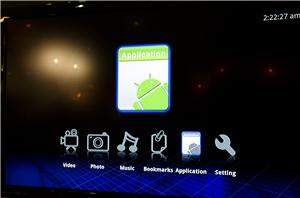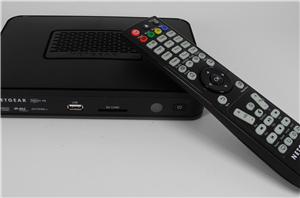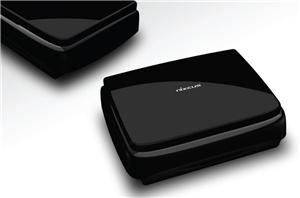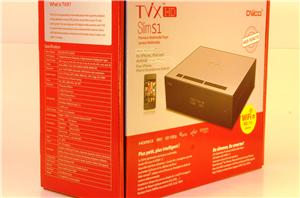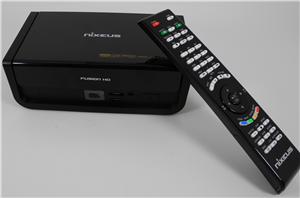
The media streamer market is a highly competitive one, where you have the big players like Western Digital and Netgear, and the really small ones like Micca. None of these companies have media players as their sole product, because it is quite difficult to differentiate yourself from the rest of the pack in that market. We were surprised to learn of Nixeus, a Los Angeles based company, that was founded in 2010 with the purpose of bringing multimedia solutions to the market.
Nixeus introduced their first media player, the Nixeus Fusion HD, towards the middle of 2010. It made a big splash online, and there were many people on AVSForum singing its praise. The support was great, and reported bugs were looked into quickly. This encouraged us to get hold of a review sample. Read on to find out how the Nixeus Fusion HD fares in our stringent review.
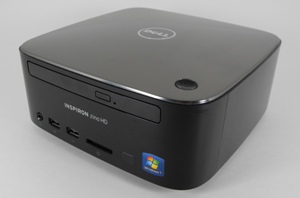
Dell is one of the leading vendors in the PC market to have a play in the SFF HTPC (small form factor home theater PC) space. In 2009, they introduced the first Zino HD HTPC, the Zino 400. It used the AMD's Athlon 64 2650e/2850e / Athlon 64 X2 3250e/6850e on the AMDRS780G chipset with the option of the integrated 3200 GPU or a discrete 4330 mGPU. It received a decent enough response to warrant a refresh of the lineup after a year.
In Q4 2010, the Zino 410 HD HTPC was launched. It made use of the same formula from the previous generation product (usage of CPUs meant for the laptop market, and pairing it with either the integrated GPU or a discrete mGPU). However, Dell learnt some important lessons from the first generation launch, which they have put to good use in the design of the Zino 410 HD HTPC.
We have had the highest end Zino 410 HD HTPC configuration in our labs since October 2010. Read on for our take on the second generation Zino HD HTPC, and also why it took us so long to publish the review.
AnandTech started covering the media streamer market last year. Thanks to the support of readers like you, the response has been very encouraging. Over the last few months, manufacturers have been willing to talk to us about their proposed products in advance of their launch. This has given us some opportunities to provide feedback and make a request for features that we think are indispensable.
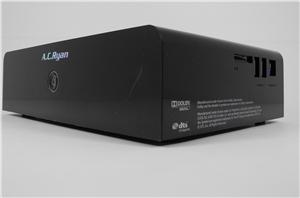
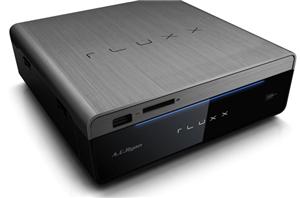
We had already talked about A.C.Ryan's entry into the US market in our CES 2011 coverage. One of the products that was covered in the press release was the second generation PlayOn!HD streamer. The PlayOn!HD lineup was A.C.Ryan's flagship last year, but that position has been taken over by the A.C.Ryan Fluxx. However, A.C.Ryan is continuing their PlayOn!HD product lineup too. This year, we have the PlayOn!HD2 using the next generation Realtek chipset 1185DD.
A.C.Ryan was kind enough to send us a prototype in advance of the official market availability later this month. The firmware is still a bit raw, which means we will postpone the review of the core functionality to a later date. Instead, what we will be seeing today is a look at the hardware platform itself. Read on to get a look at the first Realtek 1185DD based media streamer in the wild.
At CES 2011, A.C.Ryan, a Dutch company with only a small reseller presence in the US, invited us over to their private suite to talk about their plans for the US market. In addition to the hugely exciting Fluxx set top box, they also demonstrated their second generation Realtek based ...
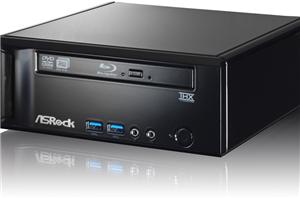
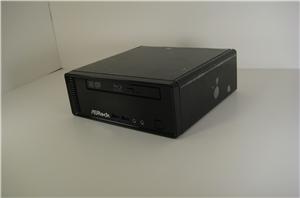
ASRock has yet another Mini PC in its lineup, this one makes use of an Atom dual-core processor and NVIDIA ION Graphics. In this review we will attempt to see if the ION 3D is capable of keeping up with its bigger brothers the Vision 3D and the 100HT-BD in the role of Home Theatre PC.
Instead of the usual booth at CES, Netgear opted for private demo suites at the Marriot this time around. They also had a press conference on Tuesday, which I deliberately refrained from writing about because AnandTech is all about digging up the actual interesting news and doing the analysis right before getting it to the readers.
I had covered some Netgear press releases about their powerline networking products and the NeoTV 550 last August. At CES, we have some refreshes on top of that list, as well as some updates on the NTV 550 front (which has already found its way into the hands of a small number of US customers). Without further ado, onto the details!
Google TV launched to high expectations a couple of months back. Users have slowly come to terms with the capabilities of the software as well as the underlying hardware platform. Without doubt, the Logitech Revue was the flagship product for Google TV at launch. However, many of its users are finding it hard to justify a dedicated device for just the functionality provided by Google TV. A detailed review of the Revue will follow in the coming weeks, but the unanimous opinion amongst the editors at AnandTech is that Google TV could only be justified as a value add-on for already existing CE devices in a HT setup such as a TV, Blu-Ray player, media streamer or even an AV receiver.
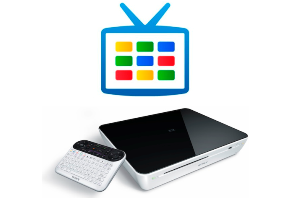
Sony was one of the first companies to jump onto the Google TV bandwagon, and they debuted some TVs and even a Blu-Ray player with Google TV inbuilt around the same time as the launch of the Logitech Revue. We have had the Sony NSZ-GT1 Blu-Ray player with Google TV in our labs for the past couple of weeks. Read on for our findings about the player.
Content aggregation has been instrumental in the development of the web. In the early days of the web, destinations held all the power. If you wanted news or reviews you went to news and review sites, consuming the content they had to offer at each individual website. Email newsletters were the first to really change the manner in which content was consumed online. Instead of visiting a website to read the latest it had to offer, you got an email in your inbox with either complete content or enough of a teaser for you to decide whether or not you were interested in it.
These days we have many more ways to get access to written content on the web than a simple newsletter. There’s RSS, Twitter and Instapaper among others. It generally works well. RSS didn’t stop users from visiting websites, neither did Twitter and Instapaper hasn’t spelled the end of the front page either. If anything all of these technologies have helped make consuming content online easier. While the front page of any website today isn’t quite as big of an example of prime real estate as it was 10 years ago, it’s still quite valuable.
I mention this history for one important reason: we haven’t seen the same progress with aggregating and distributing television content on the web. These days you can find a lot of cable TV content on the web, usually posted the day after the shows air live on cable TV. All of the major networks support it. Visit Fox.com, NBC.com or CBS.com and you’ll be greeted with ways to watch all of the shows they air via the web. The content is all out there, and it wouldn’t be too difficult to aggregate it all into one cable-TV-like interface. In theory, with what’s posted online already, you could pull the plug on cable and just rely on video over the web without missing much. It’s just not quite as easy as a cable subscription with a DVR. This is where Boxee comes in.
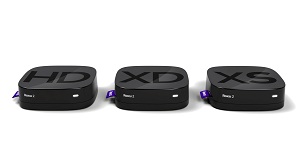
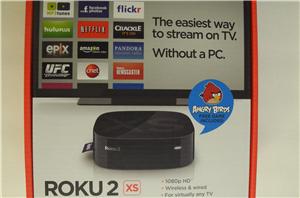
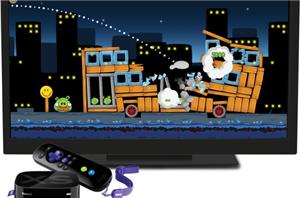
Today I have in my hands the Netgear Roku XD media streamer, the latest media streaming solution for the living room to get retail store distribution by allying itself with a company best known for networking solutions. Does the Netgear Roku HD have what it takes to compete with the likes of D-link's Boxee Box or Logitech's Revue? What are the limitations and benefits of this particular media streamer? Let's find out.
Western Digital has become a noted player in the media streamer market over the last two years. Instead of resting on the laurels received for the WDTV, they have continued to introduce new products periodically. Their flagship product lineup started with the WDTV. Introduced in November 2008, it used Sigma Designs 8635. The second generation (2G) product (WDTV Live) added a 100 Mbps wired ethernet port. It used the next generation Sigma chipset, SMP 8655. By then, Netflix became an indispensable requirement for media streamers in the US market. This led WD to introduce the WDTV Live Plus, a 2.5G product which used the Macrovision enabled SMP 8654. Today, Western Digital is introducing their 3G flagship product, the WDTV Live Hub.
We were fortunate enough to gain early access to the WDTV Live Hub (only after it was leaked in Canada by Best Buy, though). WD claims that the 3G product takes all the features from their previous flagship products, and adds a host of attractive features at a price point of just US $199.99. How effective are these new features, and more importantly, are they worth the additional cost? Read on for our review of the WDTV Live Hub.
Zotac has become quite popular in recent times for their entry level products in the mini-ITX motherboard, Atom / ION nettop and nVidia GPU space. Their mini-PC lineup started with the Zotac MAG series last year, and this year's refresh comes in the form of the ZBOX.
Zotac sent us their highest end model in the ZBOX lineup, the Zbox HD-ID34. Its specifications satisfy the requirements of an entry level Blu-Ray playing HTPC, but how does it really fare? Read on to find out our impressions after putting this HTPC through the paces.
ASRock is one of the companies held in high esteem by everyone here at AnandTech. We have been reviewing their HTPC offerings since they first came out their Ion based HTPC last year. After starting out at the low end, they soon moved up to place mid-range products aimed at the mainstream consumer with the Core 100 series. The Core 100 HT-BD received a very good review from us, and when ASRock informed us about their high-end offering in the Vision 3D, we were quite excited.
When a company is confident enough to send across an engineering sample prior to sending across the production review unit, it is quite clear that they are extremely proud of their product and its features. We have been playing with the Vision 3D for close to a month now (first with the engineering sample, and then with the review unit). Read on to find out more about the Vision 3D and how it performs.
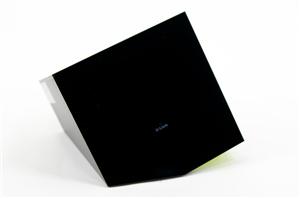
Boxee and D-Link announced the availability of the Boxee Box for pre-order on Amazon today. At CES 2010, they demonstrated the Boxee Box with the Tegra 2 SoC inside. The press release today brings the news that the Tegra 2 has been replaced by Intel’s CE4100. This is one of the first mainstream products in the market to incorporate an Intel x86 based SoC.
What happened behind the scenes? Why did Boxee and D-Link decide to drop Tegra 2? What are the details of the new SoC in the Boxee Box? What capabilities are brought forward by the Boxee Box in the media streamer market? How would it compare with a HTPC? Read on to find out more about the Boxee Box and our analysis of today’s announcements.
The first half of 2010 saw Netgear get started on their AV Series product line. Their intent was to create a set of products to enhance the consumer's home theater experience. The first few products appeared to be just rebranded versions of already existing units. A case in point is ...
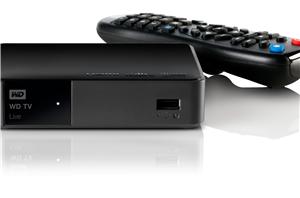
The last few years have seen a large number of digital content sources becoming easily accessible to end consumers. Digital content providers such as Netflix have recently been expanding their service to be compatibile with game consoles like the Xbox 360, PS3 and Wii, and an increasing number of Blu-ray players and televisions. WD has followed suit and now offers a flavor of their WD TV series that supports Netflix video streaming and also has one of the widest ranges of both online and local content compatibility that exists in the media streaming device market today.
In this review, we examine the WD TV Live Plus and put it to test using our recently developed media streamer / HTPC review methodology.
Anandtech has evaluated many systems in search of the utopian HTPC. However, every one of them has ended up with some issue or the other. When ASRock offered to send us their flagship HTPC introduced at the 2010 CeBIT show, we jumped at the opportunity to evaluate it and determine whether it was the HTPC of our dreams.
Instead of going with a second generation ION chipset that many had expected them to (after the ION 330-HT from last year), they sprang a surprise by opting for an Arrandale based platform. Having realized that the Atom in the nettop was the main reason for enthusiasts to avoid using them as full-fledged HTPCs, they have corrected their approach now. We had earlier mentioned that Clarkdale / Arrandale was quite up to the task as a HTPC platform. In the last few months, we have seen the introduction of many H55 / H57 based mini-ITX motherboards supporting the Clarkdales. The strong demand for such motherboards indicates that there is a definite market for pre-built HTPCs based on the Clarkdales and Arrandales in that form factor. The Core 100 series from ASRock seems to fit that bill.
How does ASRock's flagship product fare? Is it the destination in our search for the utopian HTPC? Read on for Anandtech's review of the ASRock Core 100HT-BD.
A few months back, Anandtech carried the review of the Patriot Box Office media streamer. Pursuant to a very good reception from readers, we have decided to start a dedicated home theater section where we will be covering products in this space. Of primary interest will be media streaming boxes, but we will also cover other DLNA enabled products, media extenders, PVRs and DVRs.
We will formally inaugurate this section with a roundup of the various platforms in the media streamer space. Towards the end, our methodology to evaluate the various media streamers will also be presented. Readers are welcome to give feedback and let us know areas they would like reviews to concentrate more on. Read on to find more about the history of media streamers, the current state of the market and where we think it is headed.
Patriot sent us its first foray into the streaming media market. This tiny little box will let you stream everything from ripped movies to full blown Blu-ray images to your TV. We took it for a spin.