



Eee Pad
Earlier today we published the specs and a first look at ASUS' Transformer Pad Infinity, a 10.1-inch Android 4.0 tablet with a 1920 x 1200 Super IPS+ display. As a recap, the Infinity is ASUS' new high-end tablet slotting in above the Transformer Prime. On the opposite end of the spectrum is the newly announced Transformer Pad 300, which takes the place of the original Eee Pad Transformer in the sub-$500 market. Shortly after ASUS' MWC press conference we spent some time with the LTE version of the TF Pad Infinity. The LTE version uses Qualcomm's dual-core MSM8960 (Krait) instead of NVIDIA's quad-core Tegra 3. Armed with more memory bandwidth we were curious to see how the SoC handled the increased demands of the higher...
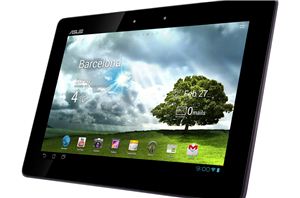
The ASUS Transformer Pad Infinity: 1920 x 1200 Display, Krait Optional
The Eee Pad brand is gone, ASUS has officially reduced it to just Transformer Pad. One of the first tablets to carry the new Transformer Pad brand is one...
20 by Anand Lal Shimpi on 2/27/2012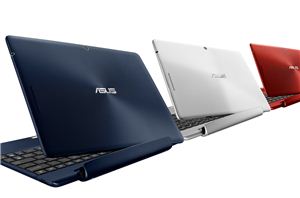
The ASUS Transformer Pad 300 Series
The Transformer Pad Infinity is the new high-end Android tablet from ASUS, but the TF Pad 300 series slots in below the TF Prime at $399. Still based on...
9 by Anand Lal Shimpi on 2/27/2012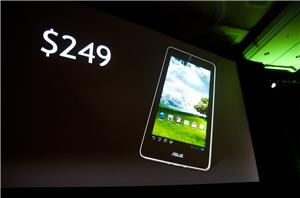
Updated: ASUS Eee Pad MeMO ME370T Shipping in Q2 2012
ASUS originally introduced its 7-inch Eee Pad MeMO tablet at CES 2011, but today it is announcing that in Q2 of this year it'll be available in North America...
7 by Anand Lal Shimpi & Manveer Wasson on 1/12/2012
Transformer Prime Gets 4.0.3 (ICS) Update
A couple of days earlier than originally expected, ASUS pushed out an update to its Transformer Prime bringing the tablet up to Android 4.0.3 (Ice Cream Sandwich). I brought...
11 by Anand Lal Shimpi on 1/11/2012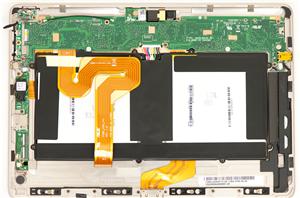
ASUS Eee Pad Transformer Prime Teardown
In researching for my piece on the Transformer Prime's GPS issue I needed to know the location of the GPS antenna inside the Transformer Prime. Given the limited supply...
14 by Anand Lal Shimpi on 1/4/2012
ASUS Eee Pad Transformer Prime GPS Issue Explained
An Apology Over the past couple of weeks I've received emails and tweets asking me to look into GPS performance issues with ASUS' Eee Pad Transformer Prime. By the...
67 by Anand Lal Shimpi on 1/4/2012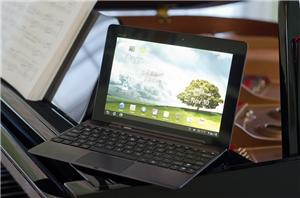
ASUS to Issue Bootloader Unlock Tool for Transformer Prime, ICS Update Due January 12
In response to criticism from the modding and open-source communities, ASUS announced today that it would be issuing a bootloader unlock tool for its new Eee Pad Transformer Prime...
13 by Andrew Cunningham on 1/3/2012
ASUS Eee Pad Transformer Prime Review Part II: Battery Life & More
In our original review of the ASUS Eee Pad Transformer Prime I did the best I could do given limited testing opportunity with the platform before the NDA lifted...
58 by Anand Lal Shimpi on 12/15/2011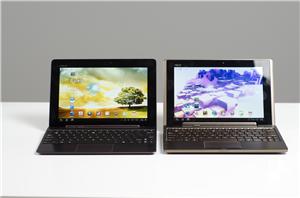
An Update on Transformer Prime Battery Life & WiFi Issues
In our review of ASUS' Eee Pad Transformer Prime I mentioned that I couldn't sustain speeds greater than 2Mbps over WiFi on my review unit. In practice, most web...
53 by Anand Lal Shimpi on 12/2/2011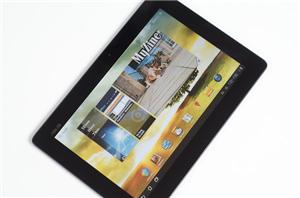
ASUS Eee Pad Transformer Prime Availability: Week of December 19th
If you're waiting to get your hands on an Eee Pad Transformer Prime, you're going to have to wait a little bit longer. ASUS is expecting the first etail...
12 by Anand Lal Shimpi on 12/1/2011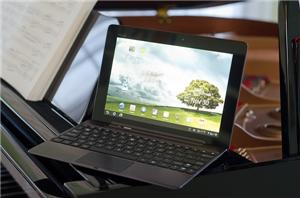
ASUS Eee Pad Transformer Prime & NVIDIA Tegra 3 Review
Going from making good motherboards to going head to head with Samsung for Google's affection is a pretty big step for ASUS, but it's one that the company has...
205 by Anand Lal Shimpi on 12/1/2011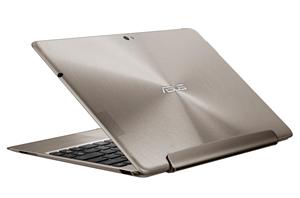
ASUS' Transformer Prime Detailed: Quad-Core Tegra 3 Tablet
Alongside NVIDIA's last remaining architecture disclosures about Tegra 3, ASUS is revealing more information about the world's first Tegra 3 tablet. The Prime is much thinner than its predecessor...
26 by Anand Lal Shimpi on 11/9/2011
ASUS Eee Pad Slider Review
I understand the appeal of tablets. Regardless of OS, they all provide a far more intimate experience when browsing the web and reading emails. I genuinely prefer doing both...
35 by Anand Lal Shimpi on 10/4/2011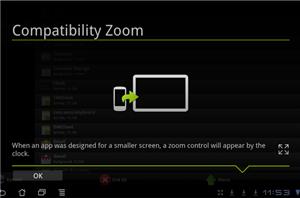
Android 3.2 on the ASUS Eee Pad Transformer: Tested
Back in June, Google announced that Android 3.2 would be arriving beginning this summer for Honeycomb tablets. Motorola, being Google's launch partner for Honeycomb, was first to get the...
30 by Anand Lal Shimpi on 8/3/2011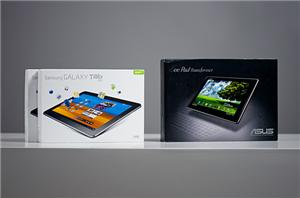
The Summer of Honeycomb, Part 2: Win an ASUS Eee Pad Transformer
Want to know if you're the winner of our first Summer of Honeycomb giveaway? Congrats to AnandTech reader jdobratz for winning our first Eee Pad Transformer. Be sure to...
2046 by Anand Lal Shimpi on 7/17/2011
The Summer of Honeycomb, Part 1: Win an ASUS Eee Pad Transformer
We're all out of memory, congrats to AnandTech reader raimondi1337 for winning our last giveaway of 16GB of G.Skill DDR3-2133 memory. Be sure to respond to my email to...
4181 by Anand Lal Shimpi on 7/8/2011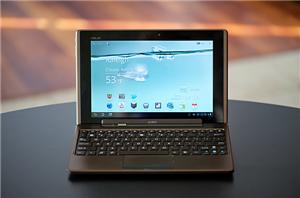
Android 3.1 on the ASUS Eee Pad Transformer
I ran into a number of hiccups in my review of the Eee Pad Transformer last month. Some of the issues were of course due to the early nature...
43 by Anand Lal Shimpi on 5/28/2011
ASUS Eee Pad Transformer Review
ASUS was at the forefront of the netbook revolution thanks to its close partnerships with Intel and Microsoft. ASUS has been all but absent from the smartphone and tablet...
128 by Anand Lal Shimpi on 4/21/2011More ASUS Eee Pad Details, No MKV Support on 10" Model
At the start of Computex ASUS unveiled its two tiered approach to an iPad competitor: the 12" Eee Pad running Windows 7 Home Premium on an Intel CULV Core...
33 by Anand Lal Shimpi on 6/2/2010
 Facebook
 Twitter
 RSS
RSS


