



CrossFire
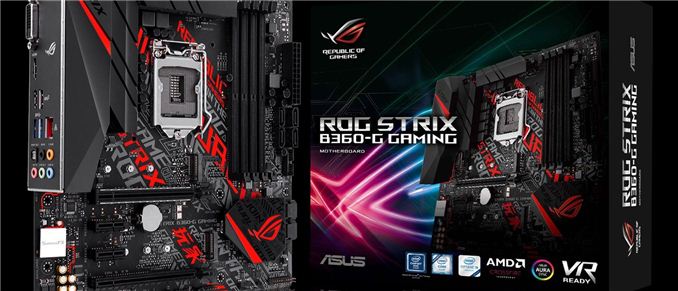
The B360 market should be a battleground for new PC builds: it offers almost all the features needed for everyone. There is a lot of scope for motherboard manufacturers to be creative in this space, and still offer a reasonably priced product: ASUS' take here is the Strix B360-G Gaming, a microATX offering that dives deep into the ROG Strix branding. For users looking to build a single-GPU gaming system, ASUS thinks they have a board you should be looking at.
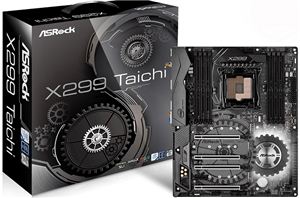
The ASRock X299 Taichi Motherboard Review
Next up on the test bench is the X299 Taichi, sitting in the middle of the range. ASRock is looking to touch more of the market with the Taichi...
18 by Joe Shields on 10/31/2017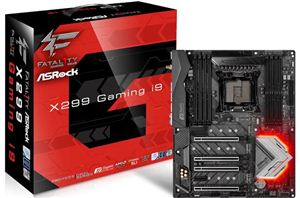
The ASRock Fatal1ty X299 Professional Gaming i9 Motherboard Review
All of the main motherboard vendors have launched a long list of X299 motherboards, aiming from budget to premium users. ASRock has been involved in the melee, with all...
24 by Joe Shields on 9/26/2017
AMD Releases Radeon Software Crimson ReLive Edition 17.9.2: 2-Way Multi-GPU for Vega
Update (9/26/17): In statements to PCWorld, AMD has elaborated that they are "moving away from the CrossFire tag for multi-GPU gaming," citing that CrossFire technically refers to DX11 applications...
11 by Nate Oh on 9/21/2017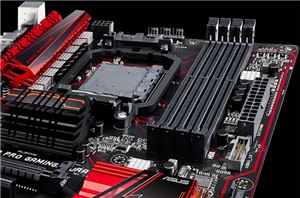
ASUS Launches 970 Pro Gaming/Aura Motherboard: USB 3.1 and M.2 to AMD FX Platform
ASUS has introduced its latest motherboard for AMD FX microprocessors that brings up-to-date features to the platform. The ASUS 970 Pro Gaming/Aura belongs to a new class of AMD...
25 by Anton Shilov on 2/2/2016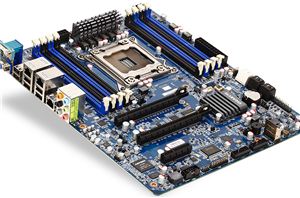
GIGABYTE GA-6PXSV3 Review
Server motherboards, unlike consumer motherboards, are never bought for looks. It is all about function, and the GIGABYTE GA-6PXSV3 we are reviewing today is aiming to supply enough at...
12 by Ian Cutress on 3/31/2014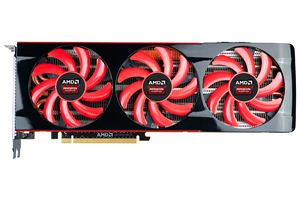
An Update on AMD’s Crossfire Eyefinity Frame Pacing Driver
In the last week several of you have emailed us about AMD’s Crossfire Eyefinity frame pacing driver – their so-called “phase 2” frame pacing driver – looking for a...
30 by Ryan Smith on 12/11/2013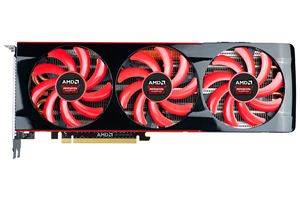
AMD Comments On Upcoming Crossfire Eyefinity Frame Pacing Driver
For AMD owners currently wondering when AMD’s Crossfire frame pacing improvements will make their way to multi-monitor Eyefinity configurations, we finally have some additional news on the matter. While...
19 by Ryan Smith on 9/30/2013.png)
Holiday 2011 Mainstream High-End Buyer's Guide
After covering the budget and midrange sectors of the DIY PC market, as well as pre-built desktops and laptops, today we have a guide outlining mainstream high-end builds. Saying...
52 by Zach Throckmorton on 12/9/2011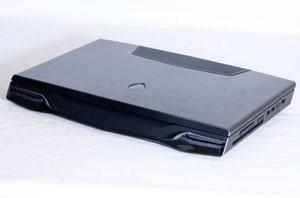
Alienware's M18x, Part 2: AMD's Radeon HD 6990M in CrossFire
In our first run with the Alienware M18x, we sat down and took a look at the notebook itself along with NVIDIA's current top shelf mobile graphics part, the...
25 by Dustin Sklavos on 10/14/2011
AVADirect Compact Gaming PC: Small Case, Big System
It's easy to build a powerful desktop if you take a big, beefy enclosure like SilverStone's FT-02 or the Thermaltake Level 10 GT and just fill it with the...
17 by Dustin Sklavos on 10/4/2011
A Look At Triple-GPU Performance And Multi-GPU Scaling, Part 1
It’s been quite a while since we’ve looked at triple-GPU CrossFire and SLI performance – or for that matter looking at GPU scaling in-depth. While NVIDIA in particular likes...
97 by Ryan Smith on 4/3/2011
 Facebook
 Twitter
 RSS
RSS


