



XFX
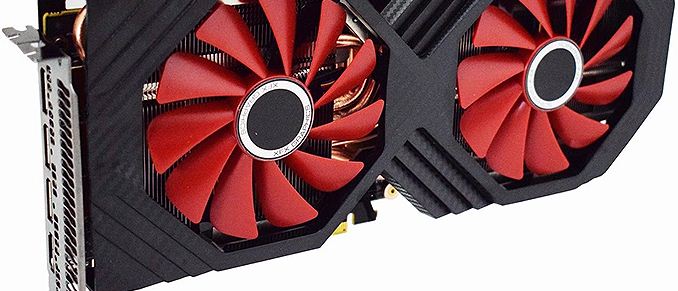
XFX has quietly introduced its first new custom Radeon RX Vega 56 and RX Vega 64 video card designs. The custom Radeon RX Vega Double Edition graphics adapters from XFX are not factory overclocked, but have an improved cooling system featuring two fans that may enable a higher overclocking potential when compared to regular air-cooled boards based on AMD’s Vega GPU. When AMD released its reference Radeon RX Vega 64 and Radeon RX Vega 56 graphics cards earlier this year, the company surprised reviewers and enthusiasts with rather long PCBs (when compared to the Radeon R9 Fury X products) that had a lot of empty space. As it turned out, the RX Vega-series boards need a good cooling and thus a relatively large heatsink. As...
XFX Starts to Sell Single-Slot Mini-ITX Radeon RX 460 Slim Graphics Cards
XFX has quietly started to sell its slim Radeon RX 460 video cards, which use a single-slot cooling system and can fit into a Mini-ITX computer. The cards features...
24 by Anton Shilov on 2/25/2017
XFX Type 01 Bravo Case Review
Companies often try to diversify their product lineup into other market segments, and today's review is such an attempt. XFX began as a graphics card manufacturer, later branching into...
28 by E. Fylladitakis on 5/16/2014
XFX 1000W Pro Series 80 Plus Platinum
We've recently tested the first 80 Plus Platinum PSUs to hit our labs, courtesy of Seasonic and Enermax. Both were good if expensive PSUs, and next up on the...
29 by Martin Kaffei on 3/1/2012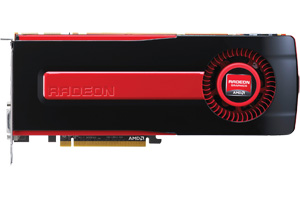
AMD Radeon HD 7950 Review Feat. Sapphire & XFX: Sewing Up The High-End Market
Announced late last month and shipping 3 weeks ago, AMD kicked off the 28nm generation with a bang with their Radeon HD 7970. Combining TSMC’s new 28nm HKMG process...
259 by Ryan Smith on 1/31/2012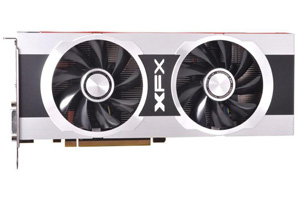
XFX’s Radeon HD 7970 Black Edition Double Dissipation: The First Semi-Custom 7970
Traditionally the launch of a next-generation high-end video card has been a staggered process. In the name of getting cards out as soon as possible the first cards are...
94 by Ryan Smith on 1/9/2012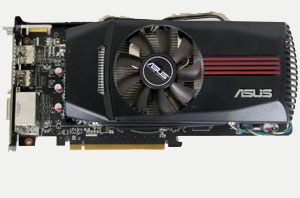
AMD Radeon HD 6850 Overclocking Roundup: Asus, XFX, & MSI
With an all-custom launch for the Radeon HD 6850, the door was immediately opened to a variety of 6850 cards with a wide variety of performance characteristics. In fact...
93 by Ryan Smith on 11/8/2010
 Facebook
 Twitter
 RSS
RSS


