



Tegra 3
It has been a while since we’ve heard anything about Project Grey, the first NVIDIA SoC with an integrated digital baseband, and the result of NVIDIA’s acquisition of soft-modem manufacturer Icera. Today, NVIDIA is ready to formalize Project Grey as Tegra 4i, and we have a bunch of information about this SoC and will obtain even more before MWC is upon us. NVIDIA’s roadmap from late 2011 put Grey in early 2013, and while other members of that roadmap haven’t necessarily stuck to the promised release schedule, Grey seems to be somewhere close to that schedule, at least as far as announcement and samples are concerned. First, Tegra 4i includes the familiar 4+1 arrangement of cores we've seen since Tegra 3, but instead of Tegra...
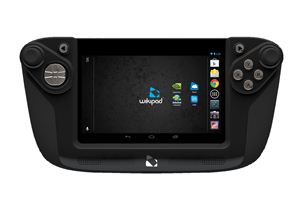
WikiPad Gaming Tablet Coming This Spring For $249
Gaming on Android has been a hot topic lately. Purpose built consoles and handhelds have been rolling out along with plenty of excellent games. The WikiPad, announced in 10-inch...
11 by Jason Inofuentes on 2/7/2013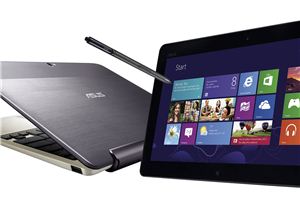
ASUS Windows 8 and RT Products Revealed
ASUS has spent the last few years showing how good design can yield big dividends in the Windows notebook and Android tablet markets. With today’s announcement of their Windows...
17 by Jason Inofuentes on 10/23/2012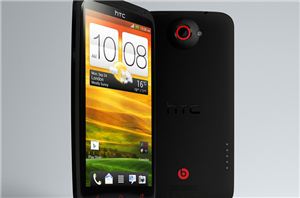
HTC Makes the Global One X+ Official - 1.7 GHz AP37 Tegra 3, 64 GB of Storage
For a while now there has been chatter about HTC updating its One X line, and today those plans have become official with the HTC One X+. The update...
28 by Brian Klug on 10/2/2012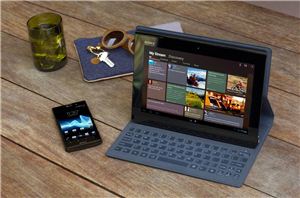
Sony Xperia Tablet S: A Tablet and Universal Remote Rolled Into One
The Android tablet market is getting decidedly crowded, with dozens of different offerings from big and small companies alike, in sizes from 5” to 13.3”. How do you make...
16 by Jarred Walton on 8/31/2012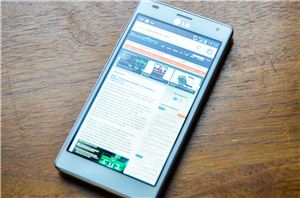
LG Optimus 4X HD: Tegra 3 Handsets Stay Global
After a string of disappointing devices that have been poorly received by the market, the current release cycle is very important for LG to re-establish itself as a maker...
47 by Vivek Gowri on 8/29/2012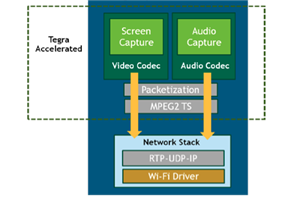
NVIDIA Announces Compatibility with WiFi Display Miracast Specification
Back at the end of May, the WiFi Alliance announced a new WiFi Display certification program called Miracast. Making a standardization process for WiFi Display products to guarantee interoperability...
14 by Brian Klug on 7/26/2012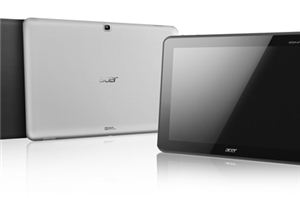
The Acer Iconia Tab A700 Brings 1920x1200 to $449
We've been hearing about the impending ASUS Transformer Pad Infinity with its 1920x1200 display for some time now with no concrete word on when it's coming to market, but...
19 by Dustin Sklavos on 6/13/2012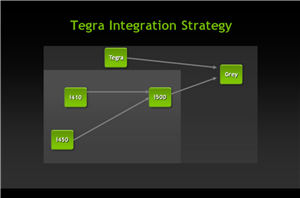
Nvidia Announces Icera 500 - The Baseband in Grey
During Nvidia's Tegra analyst day, more details were disclosed about both Nvidia's plans for Icera, and the upcoming codename Grey SoC with Icera inside. Earlier today we talked about...
16 by Brian Klug on 5/24/2012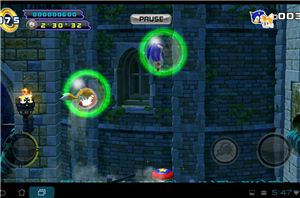
Sonic 4: Episode II Now Available for Tegra 3
Earlier this year at Mobile World Congress, NVIDIA and Sega announced Sonic 4: Episode II would be coming to TegraZone in an optimized version for NVIDIA's Tegra 3 hardware...
17 by Anand Lal Shimpi on 5/16/2012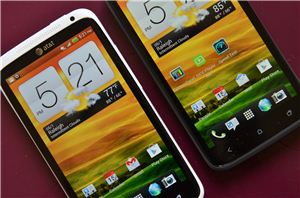
The HTC One X for AT&T Review
For just over a week, I’ve been using two phones interchangeably. The first is the Lava Xolo X900 with Medfield inside, the second is the flagship of HTC’s new...
138 by Brian Klug on 5/1/2012
ASUS Transformer Pad 300 (TF300T) Review
Before the $399 iPad 2, before the $199 Kindle Fire, there was the $399 Eee Pad Transformer from ASUS. Like nearly all first attempts in the tablet space, the...
37 by Anand Lal Shimpi on 4/22/2012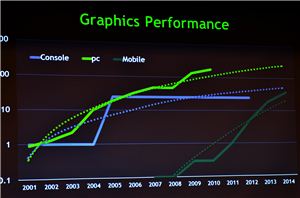
NVIDIA Plots Mobile SoC GPU Performance, Surpassing Xbox 360 by 2014
Qualcomm was the first to tell us that it expects to offer console level GPU performance in the not too distant future, generally hinting that its Adreno 3xx GPUs...
51 by Anand Lal Shimpi on 4/19/2012_carousel.jpg)
Toshiba Teases New Notebooks, Tablets
We recently had a chance to take a meeting with Toshiba representatives in San Francisco, California, where we were previewed their upcoming releases for 3Q12. Toshiba is essentially targeting...
21 by Dustin Sklavos on 4/11/2012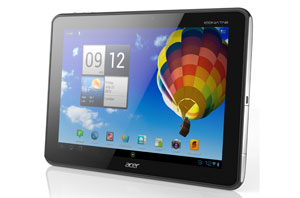
Acer Iconia Tab A510: Tegra 3 Hits $450
Asus's Transformer Prime just got some company. Available for pre-order today, the Acer Iconia Tab A510 brings the price of entry for a 10.1" Tegra 3-powered tablet down to...
21 by Jason Inofuentes on 3/22/2012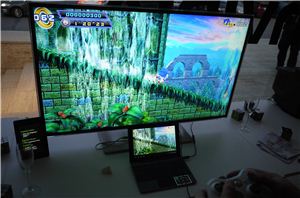
Sonic 4: Episode II, Now Optimized for Tegra
We had a chance to get some hands on time with the Tegra Zone enhanced version of Sonic the Hedgehog 4: Episode II, which was announced yesterday for NVIDIA's...
9 by Brian Klug on 2/28/2012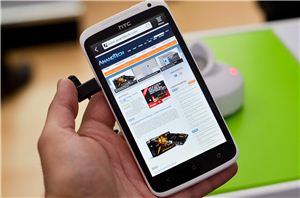
HTC's New Strategy - The HTC One
HTC begins 2012 with the reveal of a new unified brand strategy. Although HTC as a company has made significant progress in attaining mindshare, its devices lack a single...
66 by Anand Lal Shimpi on 2/26/2012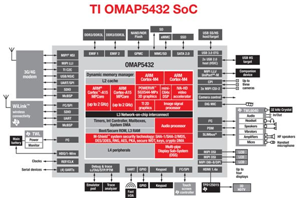
TI Posts OMAP 5 Dual Core A15 vs Quad Core A9 Video
It seems as though everyone is trying to preempt build excitement before MWC 2012 with their next-generation SoC related news. We've previewed Qualcomm's Krait performance on an MDP MSM8960...
26 by Brian Klug on 2/23/2012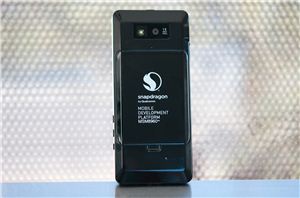
The Qualcomm Snapdragon S4 (Krait) Preview Part II
Yesterday we presented the first results of Qualcomm's Krait based MSM8960 SoC. While we still await the first Krait based phones (widely expected to begin shipping sometime in Q2)...
49 by Anand Lal Shimpi on 2/22/2012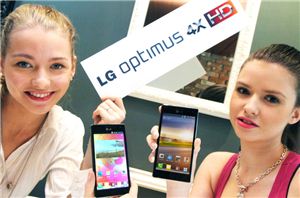
LG's Optimus 4X HD: 1.5GHz Tegra 3 Smartphone w/ 4.7-inch HD Display to Launch at MWC 2012
Although we're still waiting on the global announcement, LG Korea has already announced the Optimus 4X HD one of the first Tegra 3 based smartphones. The 4.7-inch display is...
19 by Anand Lal Shimpi on 2/22/2012
 Facebook
 Twitter
 RSS
RSS


