



Indilinx
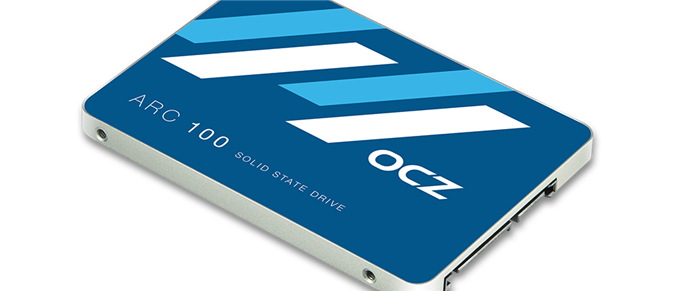
The release of the Vector marked as a change in OCZ's strategy. With a new CEO, OCZ's goal was to change the company's brand image from being a low-cost value brand to a higher-end, high performance and quality SSD manufacturer. For the first time, OCZ decided not to release a value version (Agility-level drive) of its Barefoot 3 platform and only focused on the higher-end market with the Vector and Vertex 4xx lineups. Almost two years later since the introduction of the Vector, OCZ is now finally comfortable with bringing the Barefoot 3 platform to the mainstream market and the ARC 100 acts as the comeback vehicle. OCZ ARC 100 Specifications Capacity 120GB 240GB 480GB Controller OCZ Barefoot 3 NAND Toshiba A19nm MLC Sequential Read 475MB/s 480MB/s 490MB/s Sequential Write 395MB/s 430MB/s 450MB/s 4KB Random Read 75K IOPS 75K IOPS 75K IOPS 4KB Random Write 80K...
OCZ Vertex 460 (240GB) Review
The last few months have not been easy at OCZ. After long-lasting financial issues, the company filed for bankruptcy on November 27th and a week later Toshiba announced that...
69 by Kristian Vättö on 1/22/2014
OCZ Vector 150 (120GB & 240GB) Review
The holiday season is one of the busiest shopping seasons of all year. As it can be the lifesaver (or destroyer) of company's financials, having a competitive product lineup...
59 by Kristian Vättö on 11/7/2013
OCZ Vector (256GB) Review
Times are changing at OCZ. There's a new CEO at the helm, and the company is now focused on releasing fewer products but that have gone through more validation...
151 by Anand Lal Shimpi on 11/27/2012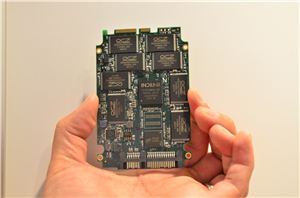
OCZ Vector: The First True Indilinx Based SSD (Barefoot 3) from OCZ
I just saw the outcome of a year long effort from both the Indilinx and the PLX teams at OCZ: the Vector SSD (pictured above). Unlike the Octane and...
18 by Anand Lal Shimpi on 9/11/2012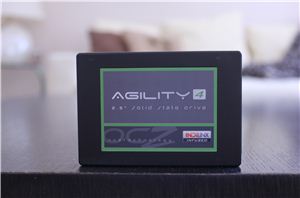
OCZ Agility 4 (256GB) Review
For the last few years, OCZ's consumer SSD lineup has primarily consisted of two models: Vertex and Agility. The history of these two goes all the way back to...
41 by Kristian Vättö on 9/1/2012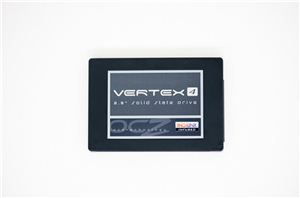
OCZ Vertex 4 Review (128GB), Firmware 1.4/1.5 Tested
When OCZ released the Vertex 4 in April, it brought us excepionally great write performance. Based on OCZ's Everest 2 controller (Marvell IP with custom firmware), the Vertex 4...
60 by Kristian Vättö on 8/4/2012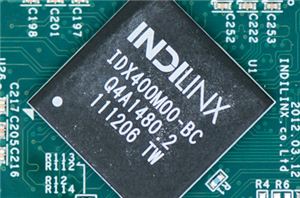
OCZ Confirms Octane and Vertex 4 use Marvell based Silicon
I received a tip yesterday with proof that OCZ's Everest controller was actually a Marvell 88SS9174 controller (the same controller used in Crucial's m4, Intel's SSD 510, etc...) with...
53 by Anand Lal Shimpi on 4/11/2012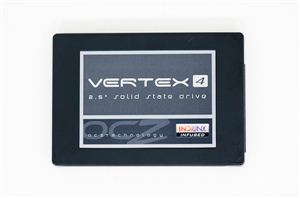
OCZ Vertex 4 Review (256GB, 512GB)
Thirteen months ago OCZ announced its intention to acquire Indilinx, the SSD controller maker that gave Intel its first taste of competition in the consumer market in 2009. Eight...
127 by Anand Lal Shimpi on 4/4/2012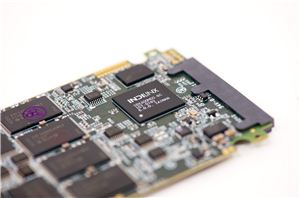
OCZ Releases Firmware Update for Octane, Increases Random Write Performance
OCZ released a firmware update for its Octane SSD series. The update carries a version number 1.13 and OCZ claims substantial random write improvements. To refresh everyone's memory on...
7 by Kristian Vättö on 1/23/2012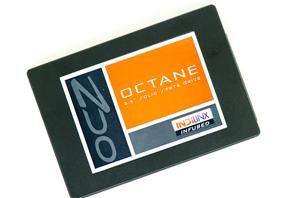
OCZ Octane 128GB SSD Review
Earlier this year OCZ acquired Indilinx, one of the first SSD controller makers to really make a splash in the enthusiast community. Ever since OCZ entered the SSD business...
39 by Anand Lal Shimpi on 12/28/2011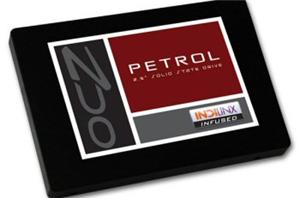
Updated: OCZ's Petrol SSD: More Affordable Indilinx Everest
Last month OCZ introduced the Octane, its first SSD based on the now in-house Indilinx Everest controller. The drive did reasonably well in our tests and was priced competitively...
18 by Anand Lal Shimpi on 12/13/2011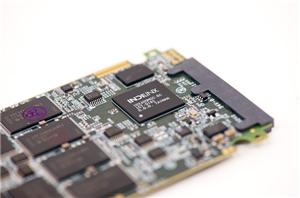
The OCZ Octane Review (512GB)
I have to hand it to OCZ's CEO, Ryan Petersen, I never thought he'd turn the company around in the way that he did. When I first met Ryan...
75 by Anand Lal Shimpi on 11/23/2011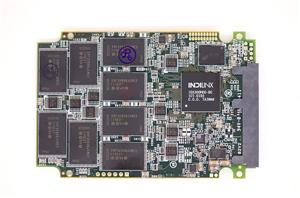
OCZ's Octane: Initial Performance Results
Last month OCZ finally unveiled the fruits of its Indilinx acquisition: the OCZ Octane SSD. Based on the Indilinx Everest platform, the Octane was to be OCZ's more affordable...
50 by Anand Lal Shimpi on 11/22/2011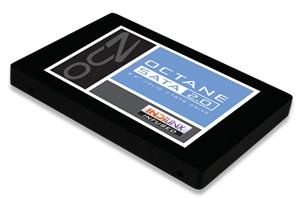
OCZ's Octane SSD: Indilinx Everest, Up to 1TB in a Consumer Drive
In March, OCZ signed a definitive agreement to acquire Indilinx, the SSD controller company that pretty much dominated the value segment in 2009 before Intel got aggressive on pricing...
58 by Anand Lal Shimpi on 10/20/2011
 Facebook
 Twitter
 RSS
RSS


