



Ask the Experts
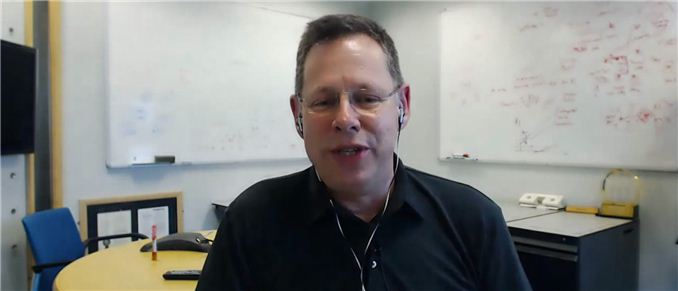
Yesterday I spent an hour talking to ARM's CTO Mike Muller about everything from the Internet of Things, ARM in servers, wearables, a roadmap to ARM on the desktop and the history of the company. Mike is one of the original ARM founders and has a great perspective on ARM and the industry. If you missed the live hangout you can check out the video below: On Monday at noon ET I'll be doing the same with ARM Fellow Jem Davies where we'll be talking about mobile GPUs.
Ask the Experts - ARM Fellow Jem Davies Answers Your GPU Questions
When we ran our Ask the Experts with ARM CPU guru Peter Greenhalgh some of you had GPU questions that went unanswered. A few weeks ago we set out...
99 by Anand Lal Shimpi on 6/30/2014
Ask the Experts: Krisztián Flautner VP of R&D, ARM
Late last year we did an installment of Ask the Experts with ARM's Peter Greenhalgh, lead architect for the Cortex A53. The whole thing went so well, in no...
62 by Anand Lal Shimpi on 6/3/2014
Answered by the Experts: ARM's Cortex A53 Lead Architect, Peter Greenhalgh
Last week we held an awesome Ask the Experts Q&A with ARM's Peter Greenhalgh, lead architect for the Cortex A53. Peter did a great job answering questions in the...
21 by Anand Lal Shimpi on 12/17/2013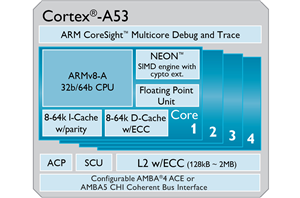
Ask the Experts: ARM's Cortex A53 Lead Architect, Peter Greenhalgh
Given the timing of yesterday's Cortex A53 based Snapdragon 410 announcement, our latest Ask the Experts installment couldn't be better. Peter Greenhalgh, lead architect of the Cortex A53, has...
160 by Anand Lal Shimpi on 12/10/2013
Answered by the Experts: Heterogeneous and GPU Compute with AMD’s Manju Hegde
AMD’s Manju Hegde is one of the rare folks I get to interact with who has an extensive background working at both AMD and NVIDIA. He was one of...
15 by Anand Lal Shimpi on 5/21/2012
Ask the Experts: Heterogeneous and GPU Compute with AMD’s Manju Hegde
AMD’s Manju Hegde is one of the rare folks I get to interact with who has an extensive background working at both AMD and NVIDIA. He was one of...
101 by Anand Lal Shimpi on 5/14/2012
Ask the Experts: Enterprise & Cloud Computing Questions Answered, Part 1
Last year we ran a little series called Ask the Experts where you all wrote in your virtualization related questions and we got them answered by experts at Intel...
14 by Johan De Gelas on 7/28/2011
Ask the Experts: Enterprise & Cloud Computing Questions Answered
Last year we ran a little series called Ask the Experts where you all wrote in your virtualization related questions and we got them answered by experts at Intel...
25 by Anand Lal Shimpi on 7/21/2011
Ask the experts: Cloud Computing Questions Answered
Last year we ran a little series called Ask the Experts where you all wrote in your virtualization related questions and we got them answered by experts at Intel...
40 by Johan De Gelas on 3/28/2011
Ask the Experts: Virtualization & Cloud Computing Questions Answered
Last year we ran a little series called Ask the Experts where you all wrote in your virtualization related questions and we got them answered by experts at Intel...
56 by Anand Lal Shimpi on 3/17/2011
 Facebook
 Twitter
 RSS
RSS


