



3D
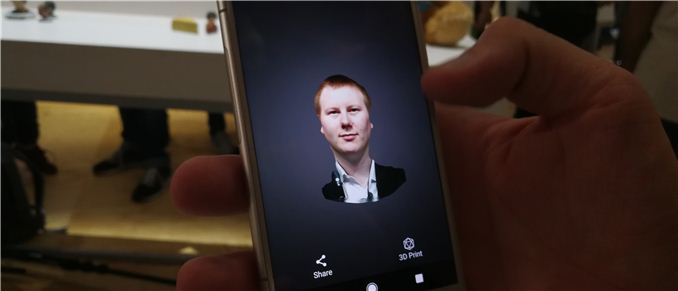
In a show like IFA, it’s easy to get wide-eyed about a flashy new feature that is being heavily promoted but might have limited use. Normally, something like Sony’s 3D Creator app would fall under this umbrella – a tool that can create a 3D wireframe model of someone’s head and shoulders and then implement a 4K texture over the top. What is making me write about it is some of the implementation. Normally in a single photo, without subsequent depth map data, creating a 3D model is difficult. Also, depth data would only show points directly in front of the camera – it says nothing about what is around the corner, especially when it comes to generating a texture from the image data to...
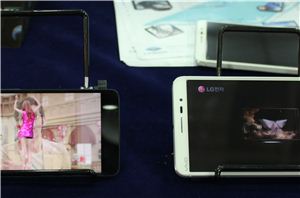
Computex 2014: CVision's Glasses-Free 3D
One of the most interesting things I saw at this year’s Computex was CVision's glasses-free 3D technology. You likely have not heard of the company before because they are...
5 by Kristian Vättö on 6/11/2014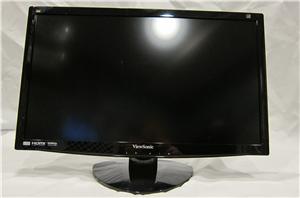
ViewSonic V3D231 3D Display - The Passive Approach
Almost all of us have gone to see a movie in 3D at the theaters at this point. Unlike most 3D designs at home, movie theaters use a passive...
42 by Chris Heinonen on 12/30/2011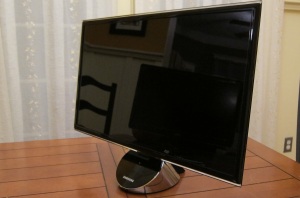
Samsung S23A750D 3D LCD Display
The big push in movies and displays has been 3D the past few years. In movies it’s ranged from well designed and executed (Avatar) to a gimmick to charge...
82 by Chris Heinonen on 12/17/2011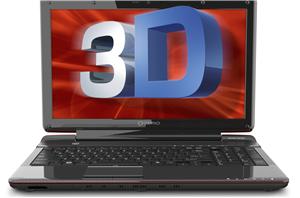
Toshiba Announces First Glasses-Free 3D Laptop
In the rush to move everything into the third dimension, Toshiba has announced their latest glasses-free 3D notebook, the Qosmio F755 3D. The laptop is even capable of displaying...
6 by Jarred Walton on 8/10/2011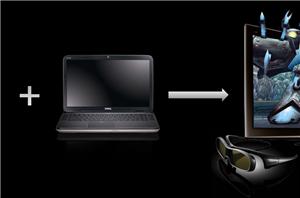
NVIDIA Launches 3DTV Play, Bringing 3D Vision to the Big Screen
After announcing it earlier this year, NVIDIA has finally released their 3DTV Play software add-on for 3D TV owners. 3DTV Play enables consumers to take full advantage of the...
28 by Ganesh T S on 10/21/2010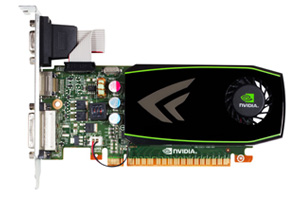
NVIDIA's GeForce GT 430: The Next HTPC King?
It’s been 7 months since the launch of the first Fermi cards, and at long last we’re here: we’ve reached the end of the road on the Fermi launch...
121 by Ryan Smith & Ganesh T S on 10/11/2010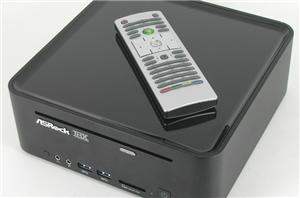
ASRock's High-End Vision 3D HTPC Reviewed
ASRock is one of the companies held in high esteem by everyone here at AnandTech. We have been reviewing their HTPC offerings since they first came out their Ion...
51 by Ganesh T S on 10/3/2010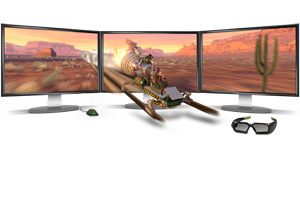
NVIDIA Launches 3D Vision Surround
After a bit of ballyhoo and a bit more of a delay, NVIDIA is finally ready to launch their competitor to AMD’s triple-monitor Eyefinity technology: 3D Vision Surround. As a...
61 by Ryan Smith on 6/29/2010
 Facebook
 Twitter
 RSS
RSS


