



Viewsonic
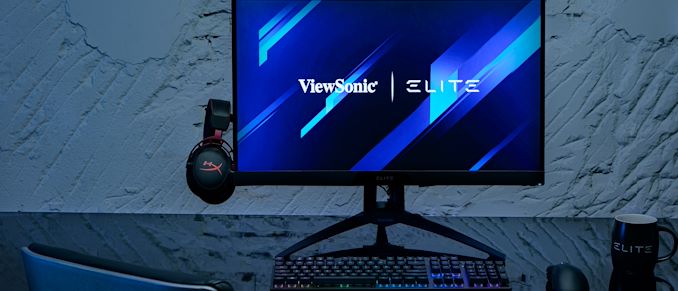
The latest monitor in Viewsonic's large and varied portfolio comes via the XG270QC, which is a part of its gaming-focused Elite series. Available in the US now, the 27 inch Viewsonic Elite XG270QC features a 1500R curved screen, with a refresh rate of 165 Hz, and is certified for VESA DisplayHDR 400. Designed with gaming in mind, the Viewsonic Elite XG270QC comes with many of the features you'd expect for a contemporary gaming displaying. including a 27-inch, 2560x1440 VA panel with a fast refresh rate of 165 Hz, variable refresh support including AMD's FreeSync Premium Pro certification, and is VESA certified DisplayHDR 400. Although officially it has a 3 ms response time, Viewsonic is stating that it has a 1 ms MPRT response time...
CES 2020: ViewSonic Joins Big Format Game w/ 55-Inch 4K 120 Hz OLED Gaming Display
Demand for larger gaming displays is growing these days, so it is not surprising that more and more manufacturers have introduced 37.5-inch and bigger LCDs. But up until recently...
10 by Anton Shilov on 1/8/2020
ViewSonic Introduces Elite XG270QG Monitor: WQHD w/DCI-P3 and 165 Hz G-Sync
ViewSonic has introduced a new high-end gaming-focused display, the Elite XG270QG. The 27-inch WQHD monitor uses a Nano IPS panel that offers all the flair you'd expect from a...
33 by Anton Shilov on 9/30/2019
Supersonic: ViewSonic’s Elite XG270 240 Hz IPS Monitor w/ VRR & HDR
Aiming at demanding hardcore and esports gamers, ViewSonic this week introduced its new gaming display that uses a ‘fast IPS’ panel with a 240 Hz maximum refresh rate. The...
35 by Anton Shilov on 9/27/2019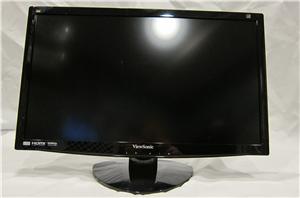
ViewSonic V3D231 3D Display - The Passive Approach
Almost all of us have gone to see a movie in 3D at the theaters at this point. Unlike most 3D designs at home, movie theaters use a passive...
42 by Chris Heinonen on 12/30/2011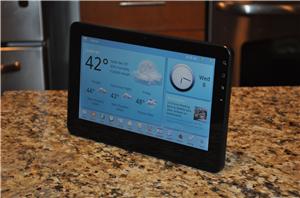
First Look: Viewsonic G Tablet and Tegra 2 Performance Preview
The slate computing market is about to explode, with a literal flood of new tablets releasing over the coming months. Many of them will be Android based, running NVIDIA’s...
81 by Vivek Gowri on 12/9/2010
 Facebook
 Twitter
 RSS
RSS


