



SSDNow V Series
The last time we took a look at a Compal whitebook (again courtesy of CyberpowerPC), we noted to Compal that their whitebook wasn't a shark, perfect and needing no further evolution. Their 15.6" shell had gone largely unchanged since the dawn of the 15.6" form factor, missing modern connectivity like eSATA and USB 3.0 and exhibiting an aesthetic that seemed like a relic from a bygone era. When Compal updated the exterior of their 15.6" flagship along with the interior update to Sandy Bridge, it sounded like a good opportunity to see just how much the notebook had evolved. Exit the old NBLB2, enter the PBL21.
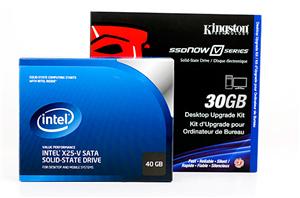
2010 Value SSD (~$100) Roundup: Kingston and OCZ take on Intel
Two years ago the best SSD you could buy was made by Intel and it cost $7.44 per GB of MLC NAND. Today Intel is actually the value leader...
52 by Anand Lal Shimpi on 6/3/2010
 Facebook
 Twitter
 RSS
RSS


