



Introducing Seagate's 7200.9: The New Generation
by Purav Sanghani on October 10, 2005 9:00 AM EST- Posted in
- Storage
Introduction
The 7200.7 line brought us drives with capacities between 40GB to 200GB in PATA version as well as the native SATA (as opposed to bridged SATA solutions) versions with 1.5Gb/sec transfer rates and optional Native Command Queuing, and as you can guess from the name, 7200RPM spindle speeds throughout the entire line. After the 7200.7 series, Seagate decided to split the 7200.x family into two separate lines when introducing the 7200.8 series. The new model carried capacities in the 250GB to 400GB range, again, with both PATA and SATA interfaces, so the 7200.8 was a continuation to higher capacities.
The 7200.9 line of hard disk drives brings an end to the separation of powers and is aimed at mid to high end desktop and gaming PCs, media PCs, and low end servers. This classification gives us a bit of insight at the pricing of these new drives, but we will look into the costs of Seagate's new line of mid-performance hard drives a bit later. Right now, we'd like to cover some information that we received during a technical briefing with Seagate's 7200.9 product marketing manager.
The 7200.7 line brought us drives with capacities between 40GB to 200GB in PATA version as well as the native SATA (as opposed to bridged SATA solutions) versions with 1.5Gb/sec transfer rates and optional Native Command Queuing, and as you can guess from the name, 7200RPM spindle speeds throughout the entire line. After the 7200.7 series, Seagate decided to split the 7200.x family into two separate lines when introducing the 7200.8 series. The new model carried capacities in the 250GB to 400GB range, again, with both PATA and SATA interfaces, so the 7200.8 was a continuation to higher capacities.
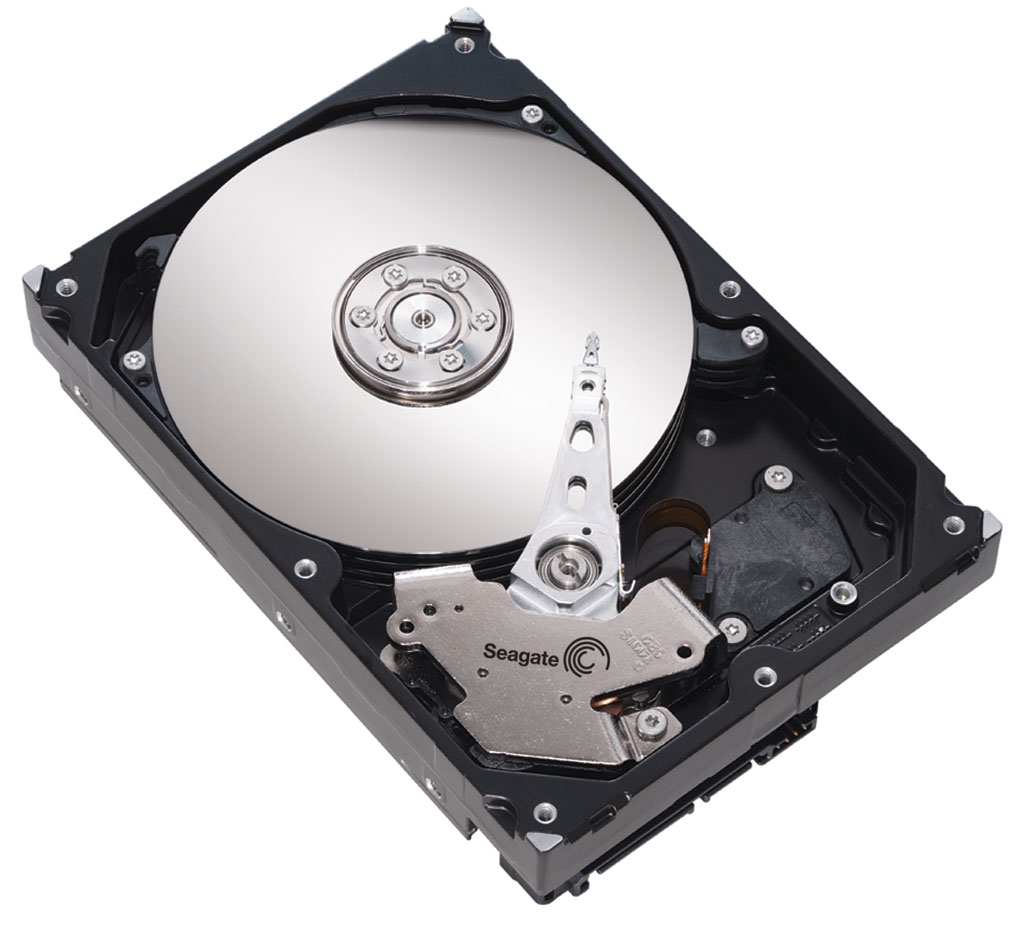
Click to enlarge.
The 7200.9 line of hard disk drives brings an end to the separation of powers and is aimed at mid to high end desktop and gaming PCs, media PCs, and low end servers. This classification gives us a bit of insight at the pricing of these new drives, but we will look into the costs of Seagate's new line of mid-performance hard drives a bit later. Right now, we'd like to cover some information that we received during a technical briefing with Seagate's 7200.9 product marketing manager.


 Facebook
 Twitter
 RSS
RSS


72 Comments
View All Comments
PitBrz - Monday, October 17, 2005 - link
7200.9 New King !!!HDTach average read: 63,6 MB/s
RAID0 2x160GB TecBench: Average 115 MB/s, Max 143 MB/s, min 68 MB/s
http://forums.anandtech.com/messageview.aspx?catid...">http://forums.anandtech.com/messageview...RTPAGE=7...
mariush - Wednesday, October 12, 2005 - link
What's with all the ©Seagate Confidential texts on the images ?blwest - Wednesday, October 12, 2005 - link
I didn't really find this article useful. No benchmarks. I could have gotten this information from seagate's website....SnowyEnigma - Tuesday, October 11, 2005 - link
I just bought 3 400g 7200.8!flatblastard - Tuesday, October 11, 2005 - link
I'm liking the specs of the 300GB model, can't wait to get my hands on one.I've been hoping Seagate would take on the 10k rpm market, but, oh well. Hopefully, this will be the last generation of the 7200.x line. I don't wanna see 7200.10 until I see 10000.x first!
techspeed - Tuesday, October 11, 2005 - link
why the avg seektime 11ms compared to 8.5ms in early models?JarredWalton - Tuesday, October 11, 2005 - link
On Seagate's site, all of the 7200.8 and .9 drives look like they list 11 ms for the seek time. The 7200.7 all list 8.5 ms. However, this may be a difference in measured times. I believe the 7200.7 do not include rotational latency, which is 4.16 ms at 7200 RPM. I guess we'll have to wait for the benchmarks, but I think the .8 and .9 are supposed to seek faster.Adamv1 - Monday, October 10, 2005 - link
cut the guys some slack, personaly i just started seeing these show up recently and have been on the search for info on them and at the moment its fairly hard to find any. this will at least give me some new info to chew on while the reviews are in progress.Mumrik - Monday, October 10, 2005 - link
Nice advert...Why the hell did you post it in the "Latest Reviews" section?
JarredWalton - Monday, October 10, 2005 - link
For the same reason we post tradeshows and other articles there. We really only have the short "Insider Stories" and longer "Reviews". "Reviews" can really be previews, major product releases (I think this qualifies), reports from tradeshows or other trips, etc. Buyer's Guides and Price Guides, for example, aren't "reviews" either.