



Pentax K20D
The 14.6MP Pentax K20D is the highest resolution sensor available in a prosumer camera today. There are pro models at $8000 or more that feature even higher resolutions, but the $1299 MSRP K20D is a long way from that price class. When it was introduced in late 2007, the K20D was the first 14MP class camera, and its introduction surprised the photo establishment with a Pentax-designed and Samsung-manufactured CMOS sensor.
Tests of K20D resolution show the highest resolution available in its class at lower ISOs. However, resolution and image quality at higher ISO settings are compromised by the higher noise of the K20D at these settings. It appears Pentax made the conscious decision to use minimum in-camera noise processing at higher ISOs.
| Pentax K20D In-Camera JPEG vs. Noiseware Processed |
||
| ISO | Pentax K20D In-Camera JPEG |
Pentax K20D Noiseware Processed |
| 100 | 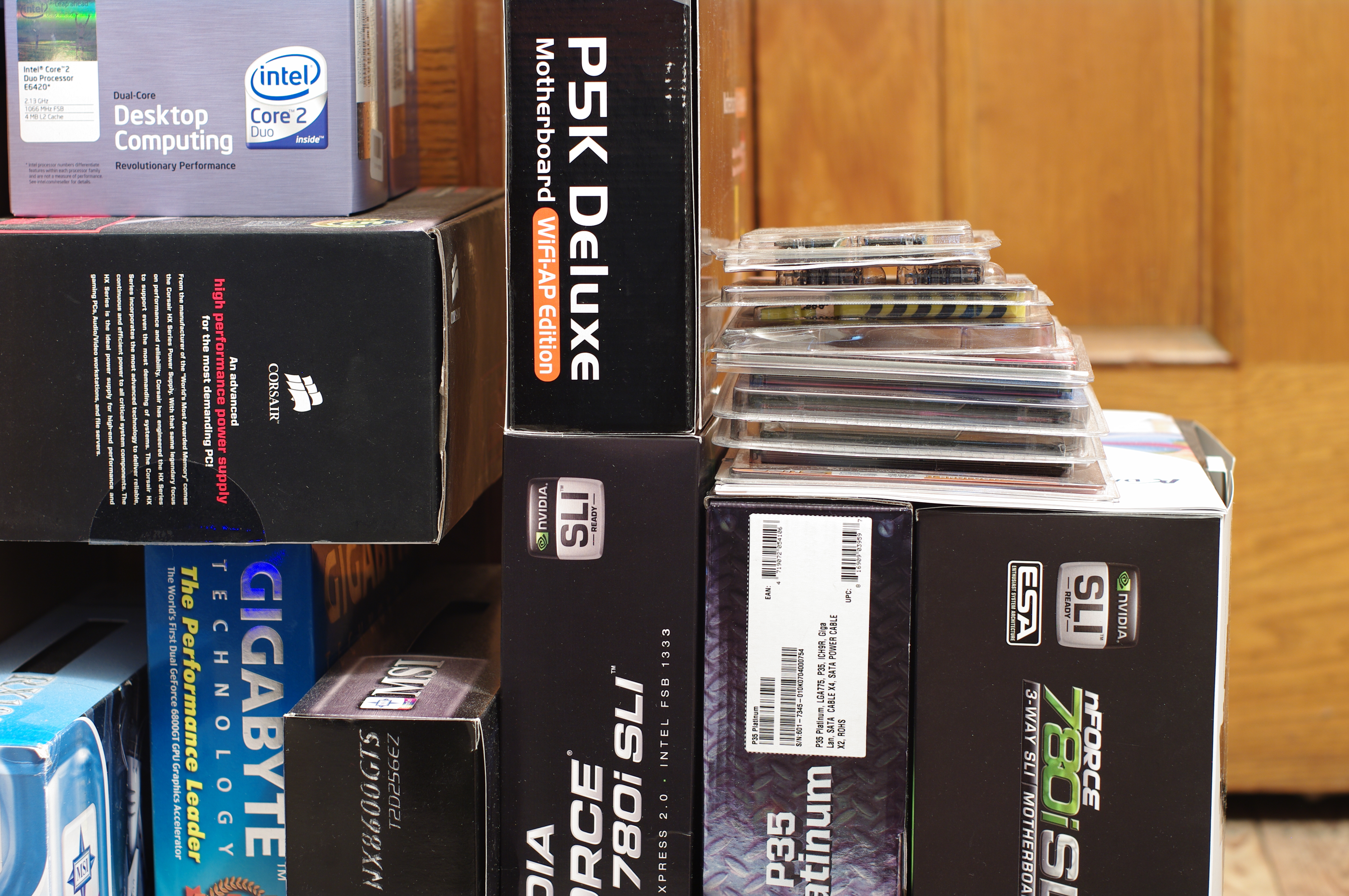 |
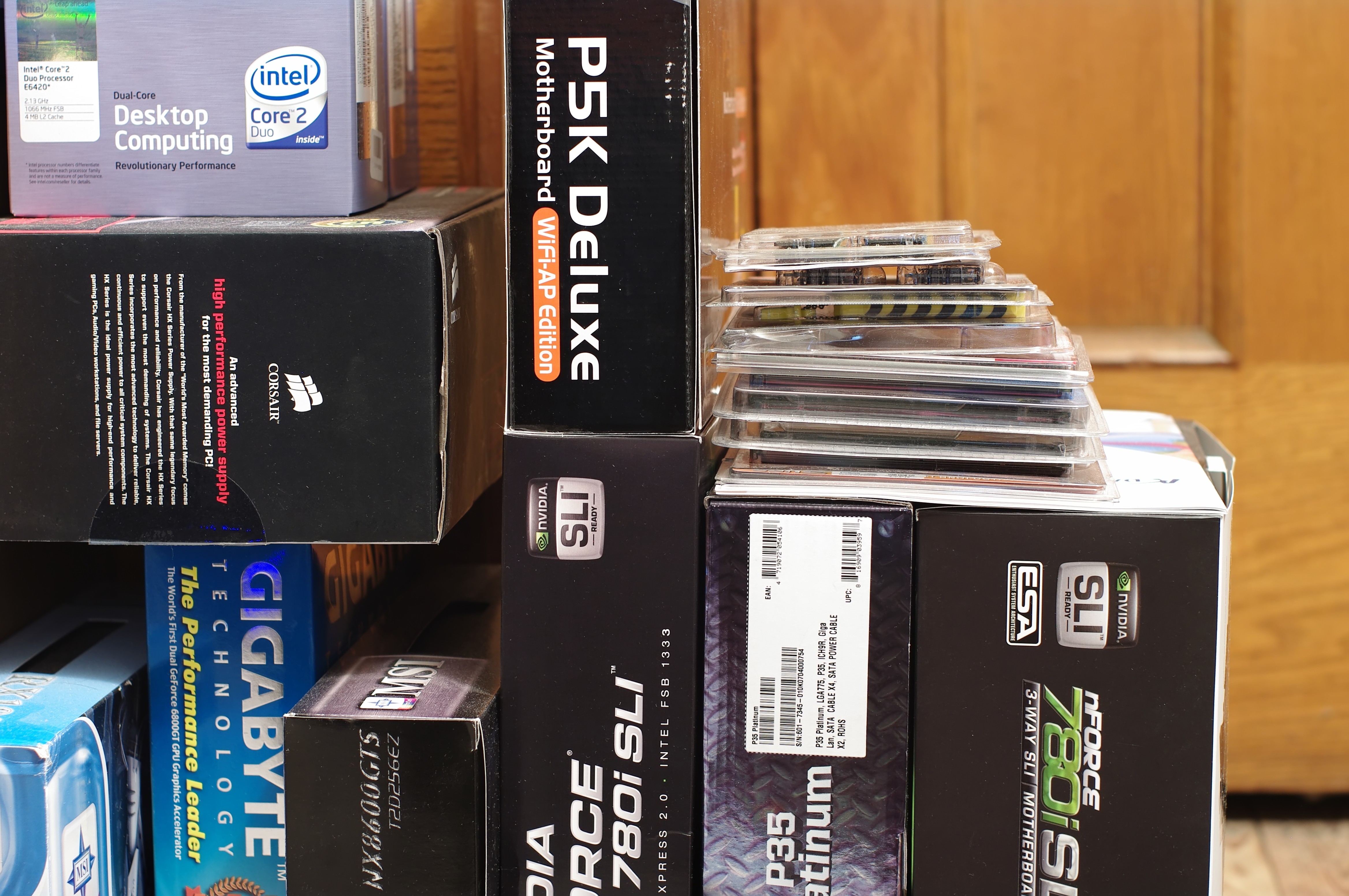 |
| 200 | 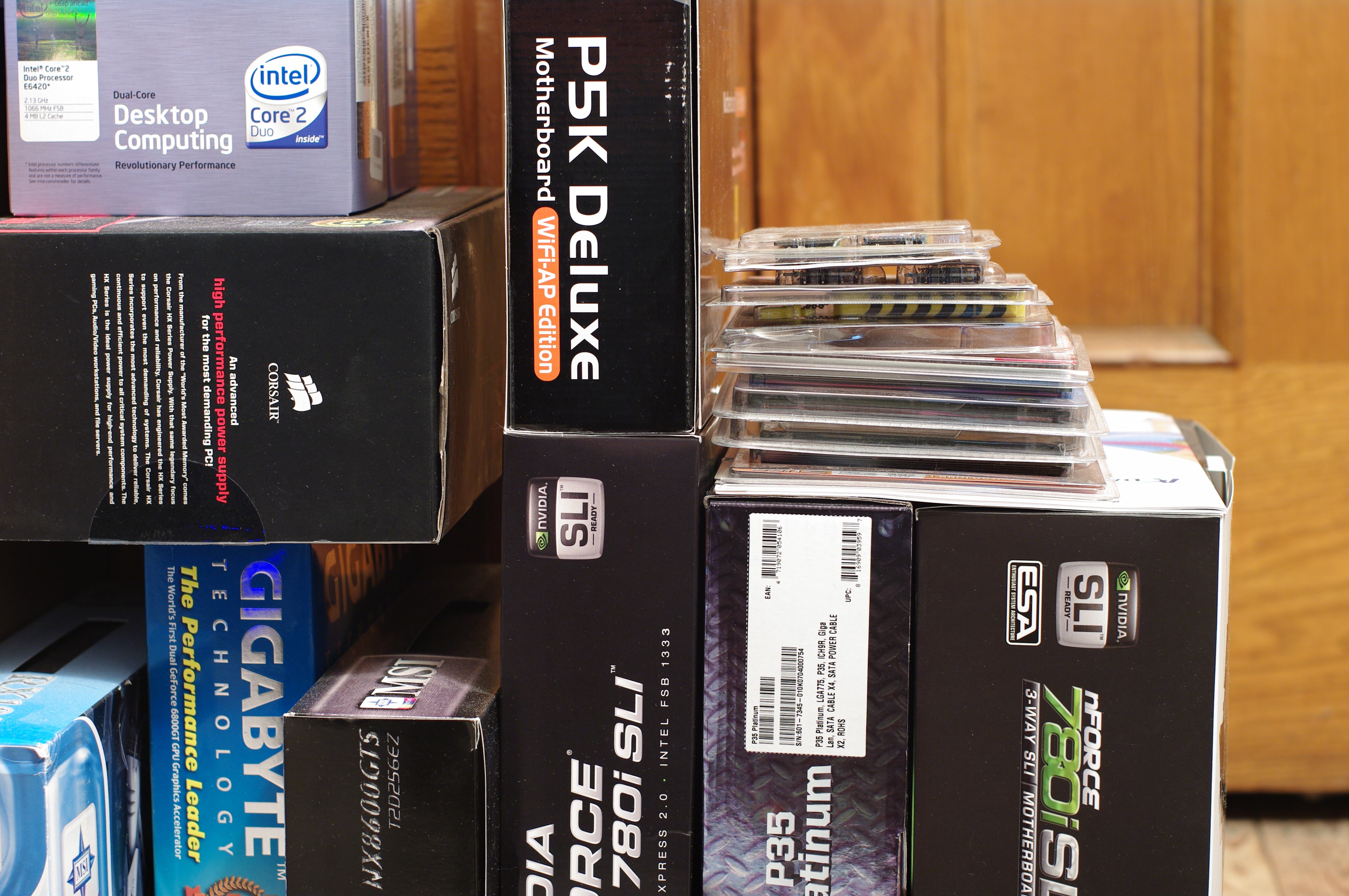 |
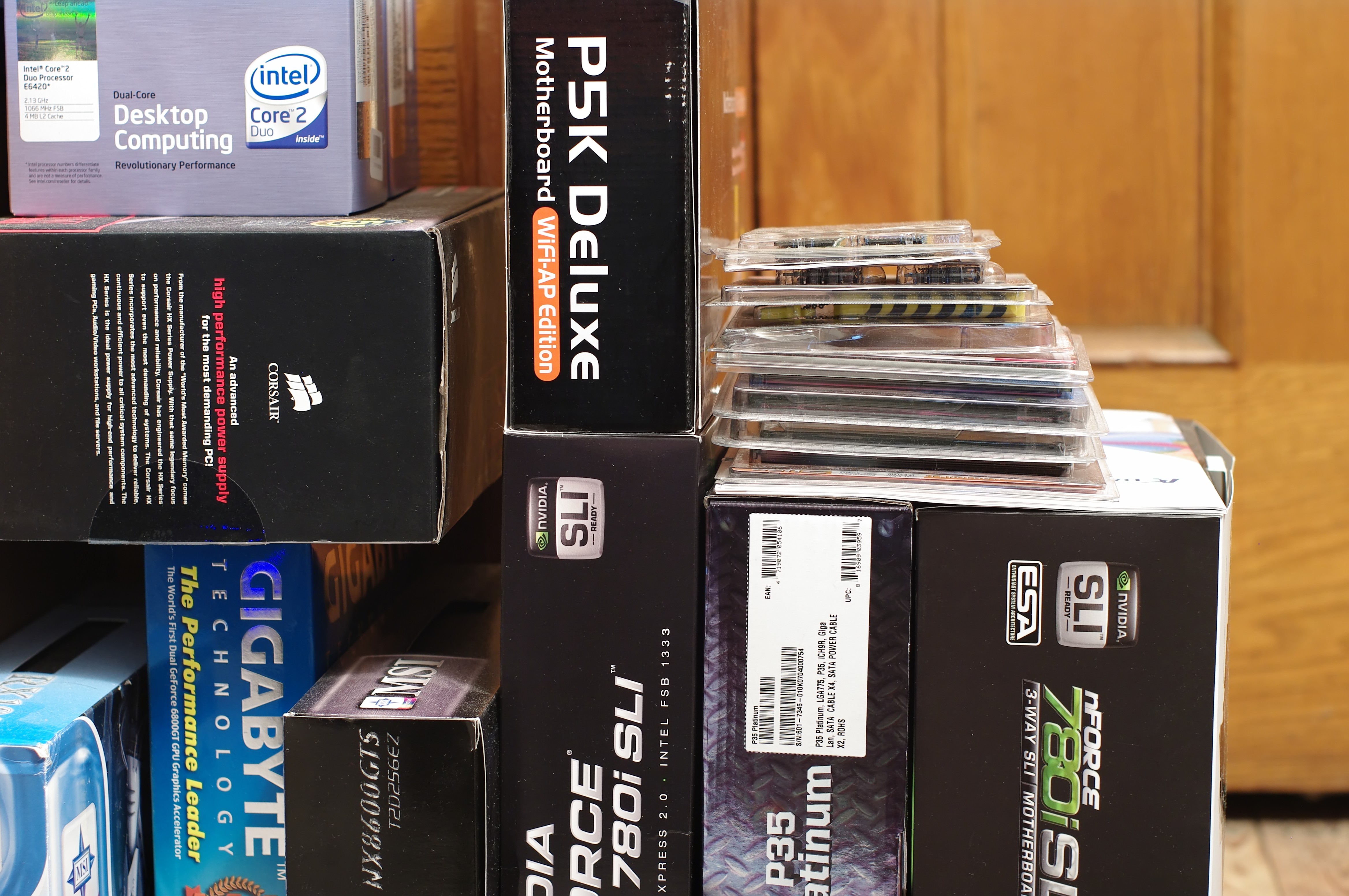 |
| 400 | 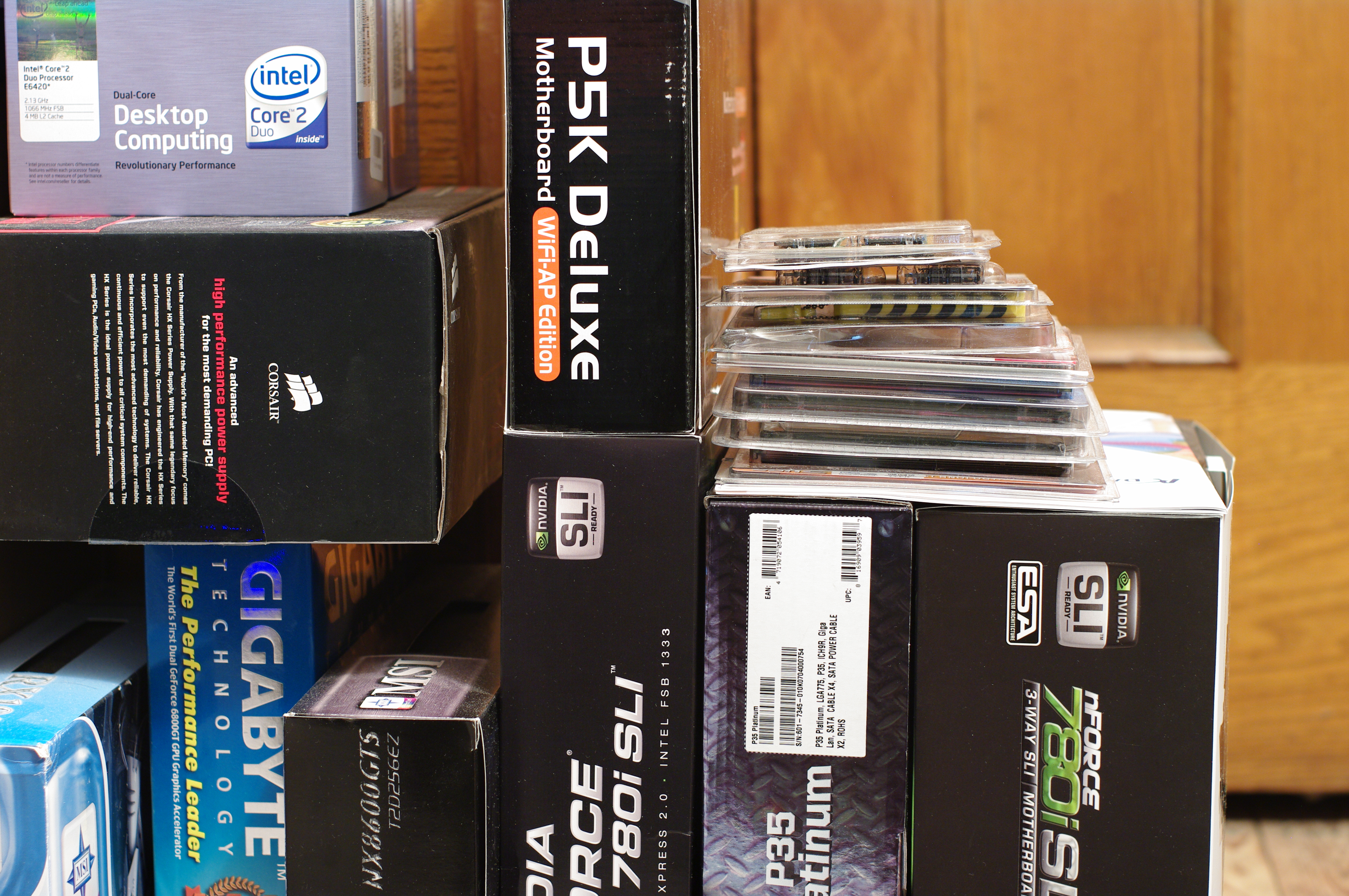 |
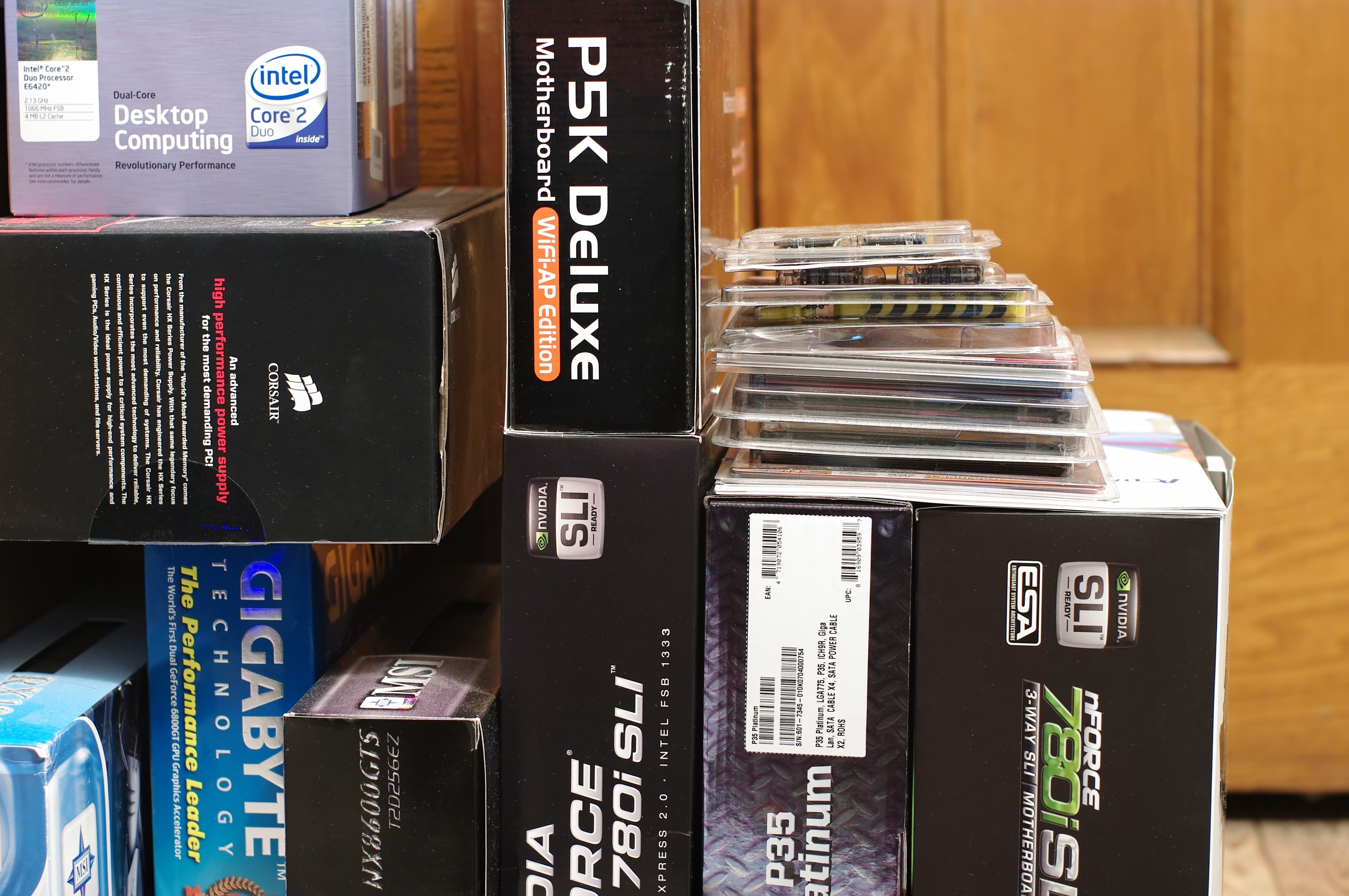 |
| 800 | 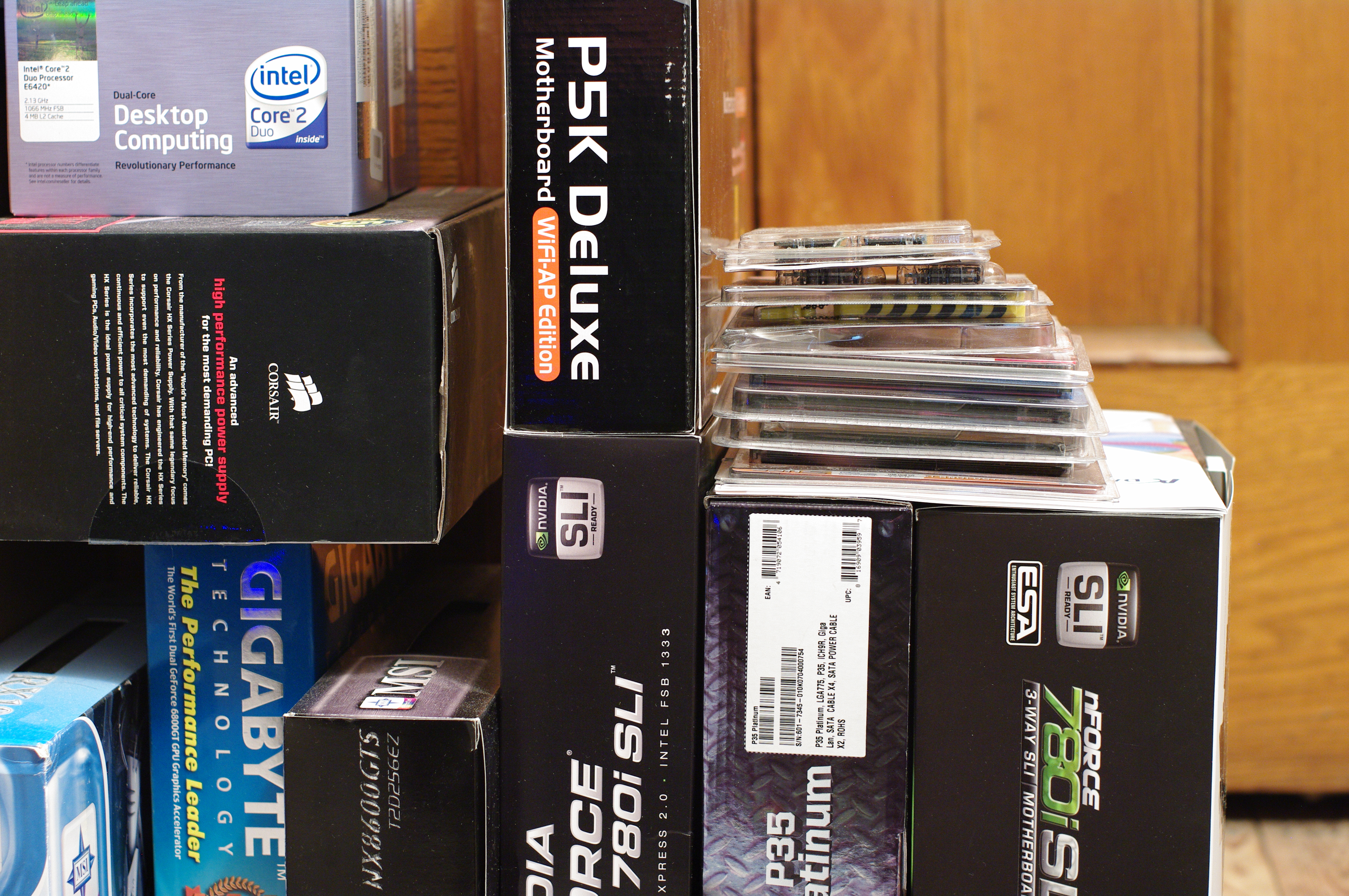 |
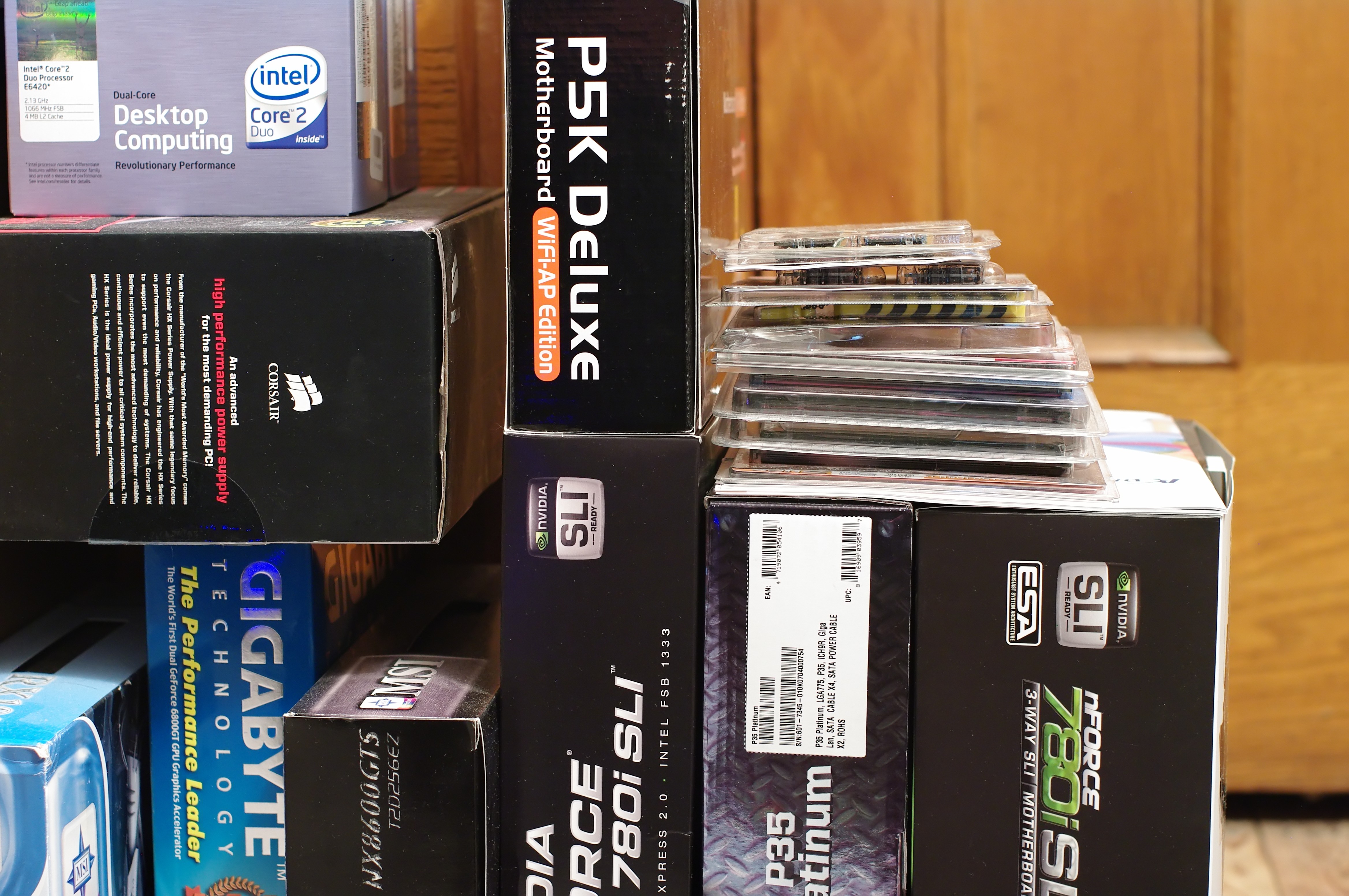 |
| 1600 | 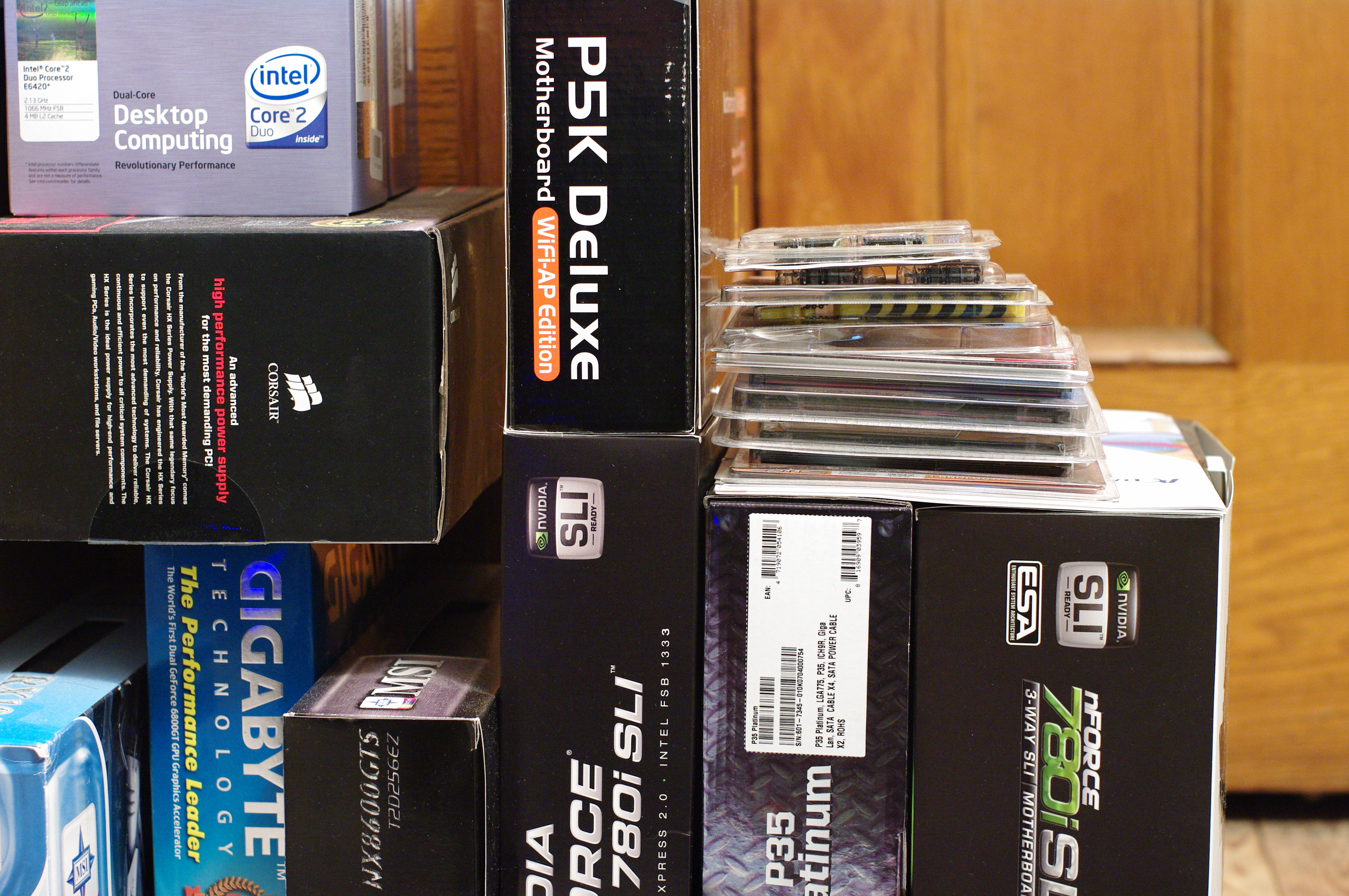 |
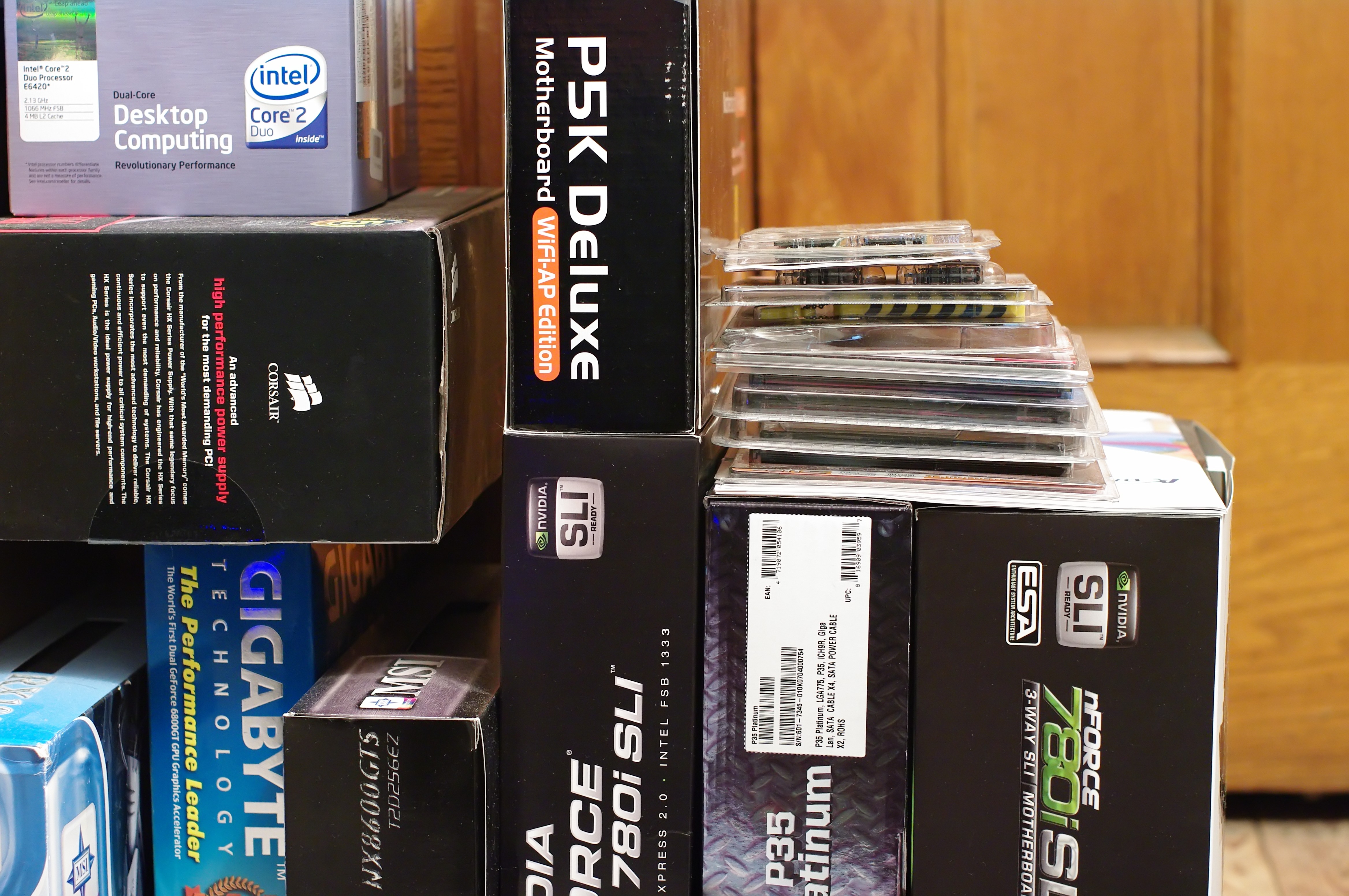 |
| 3200 | 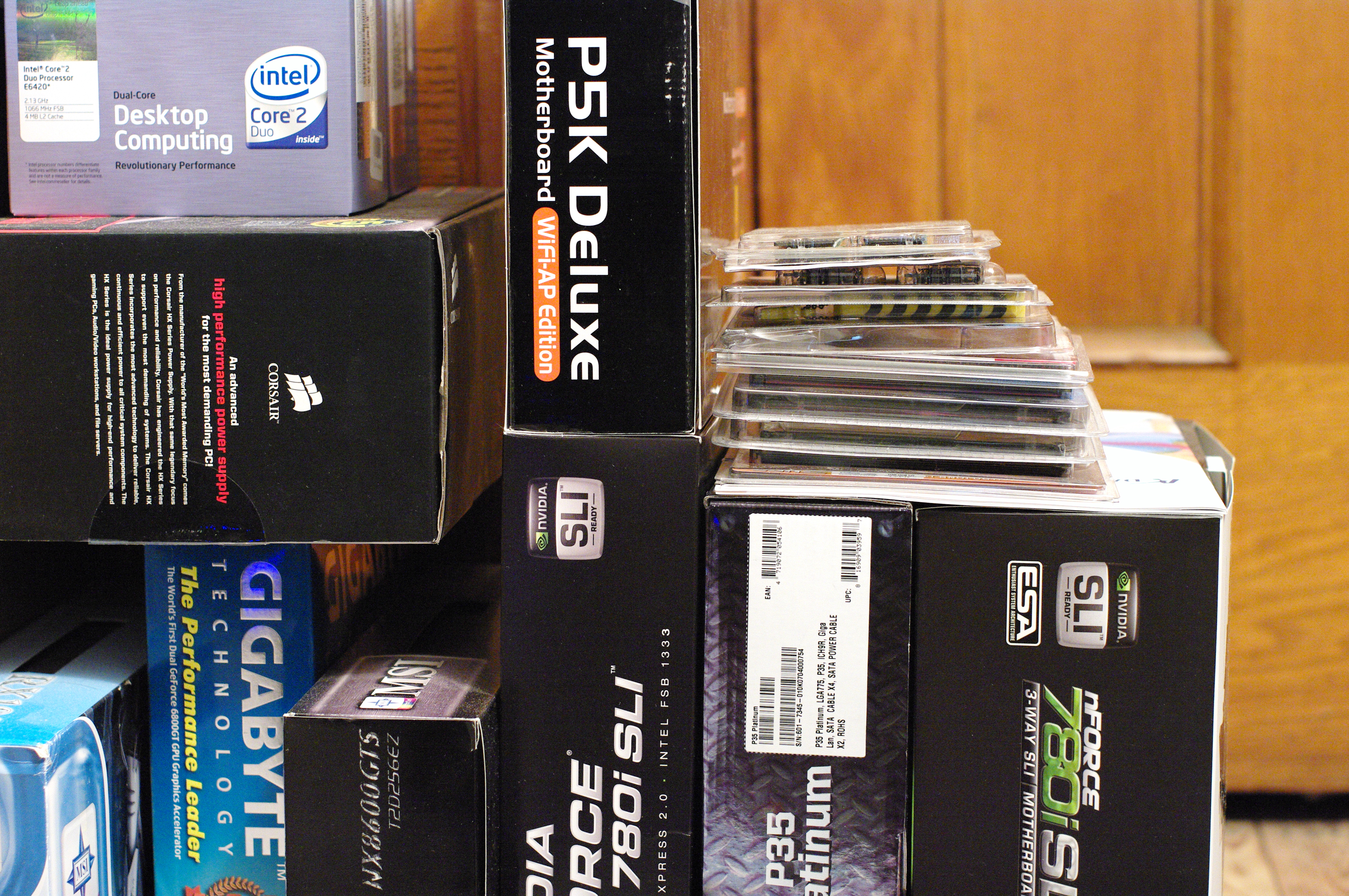 |
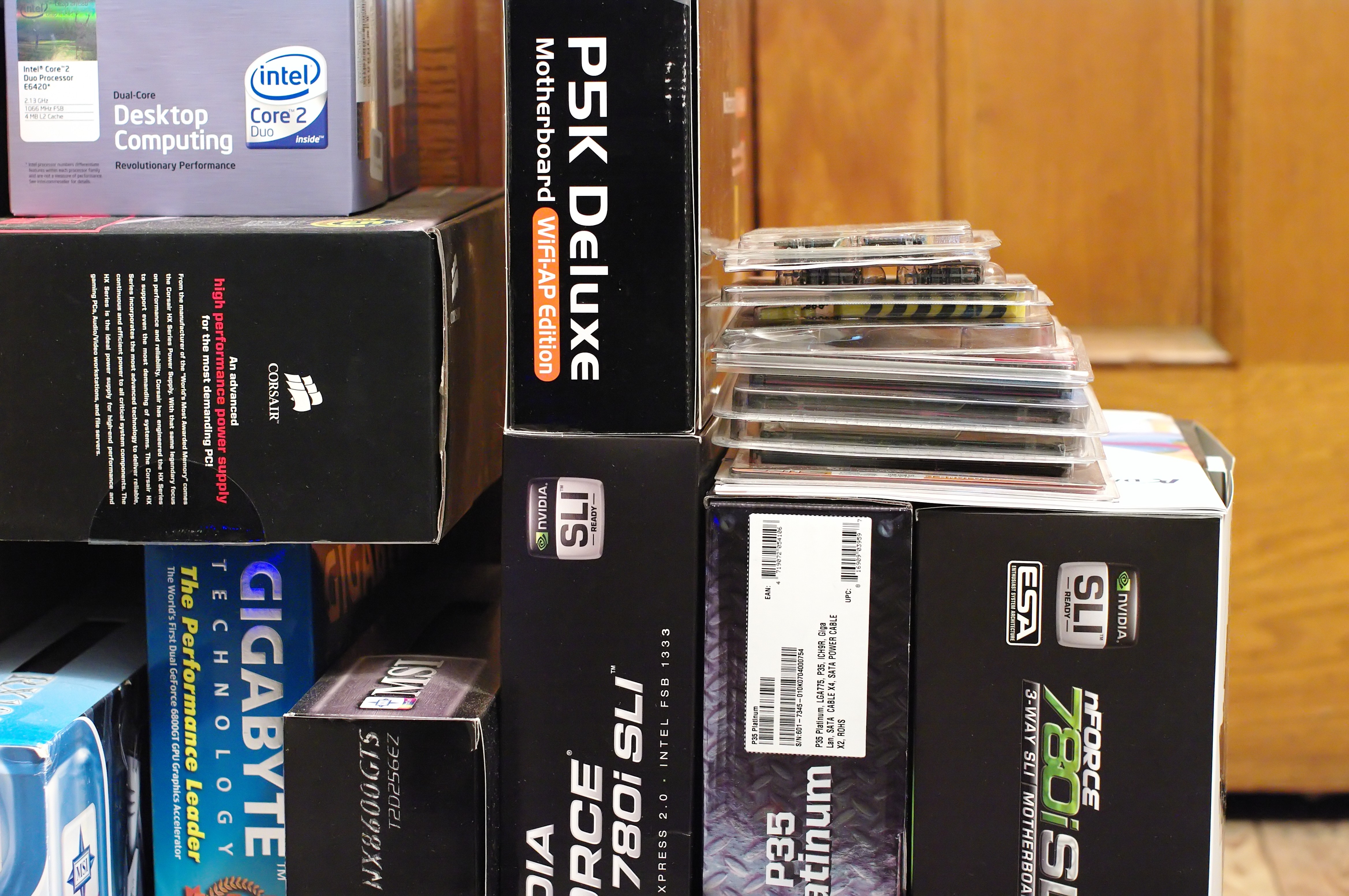 |
| 6400 | 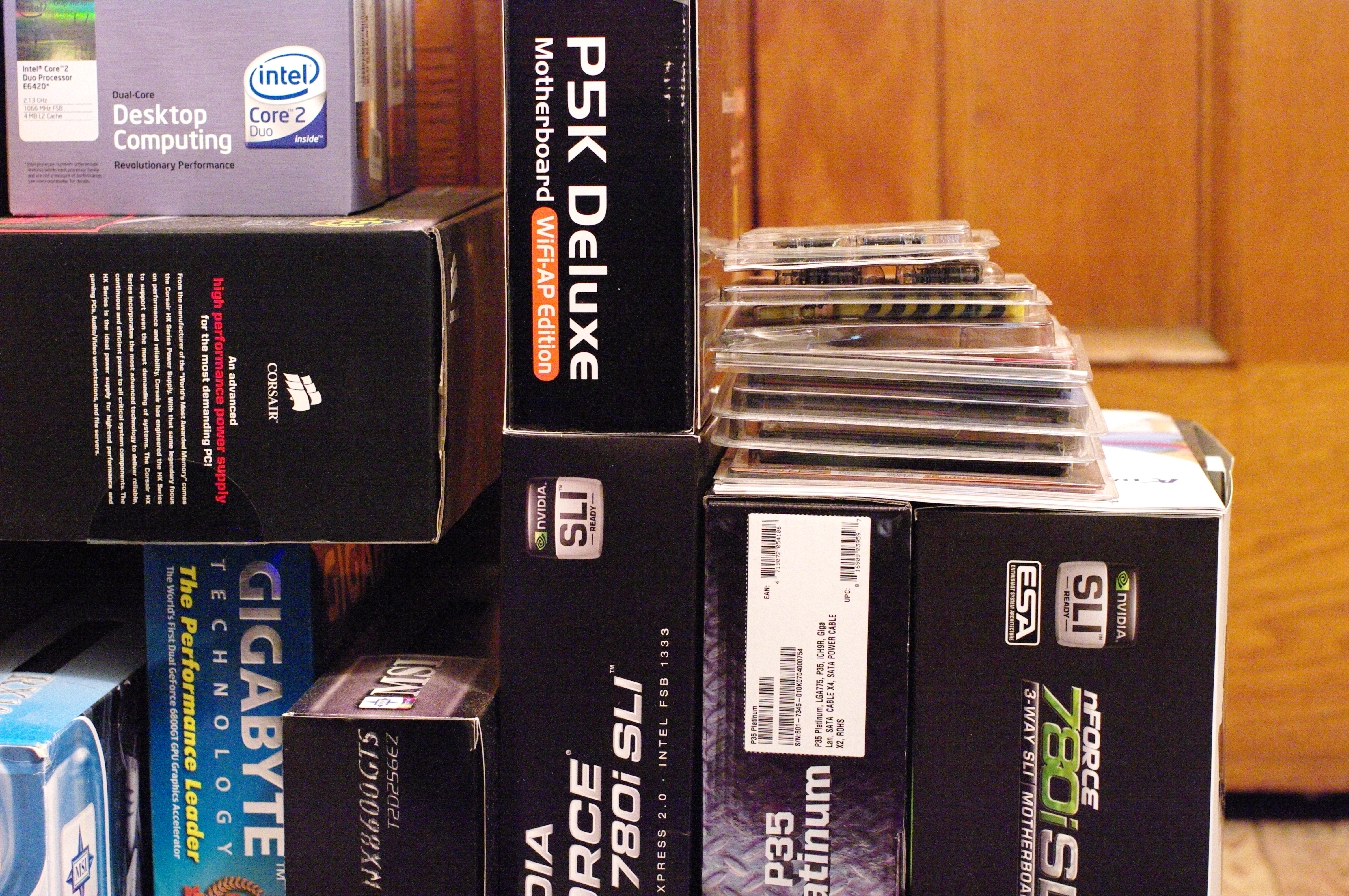 |
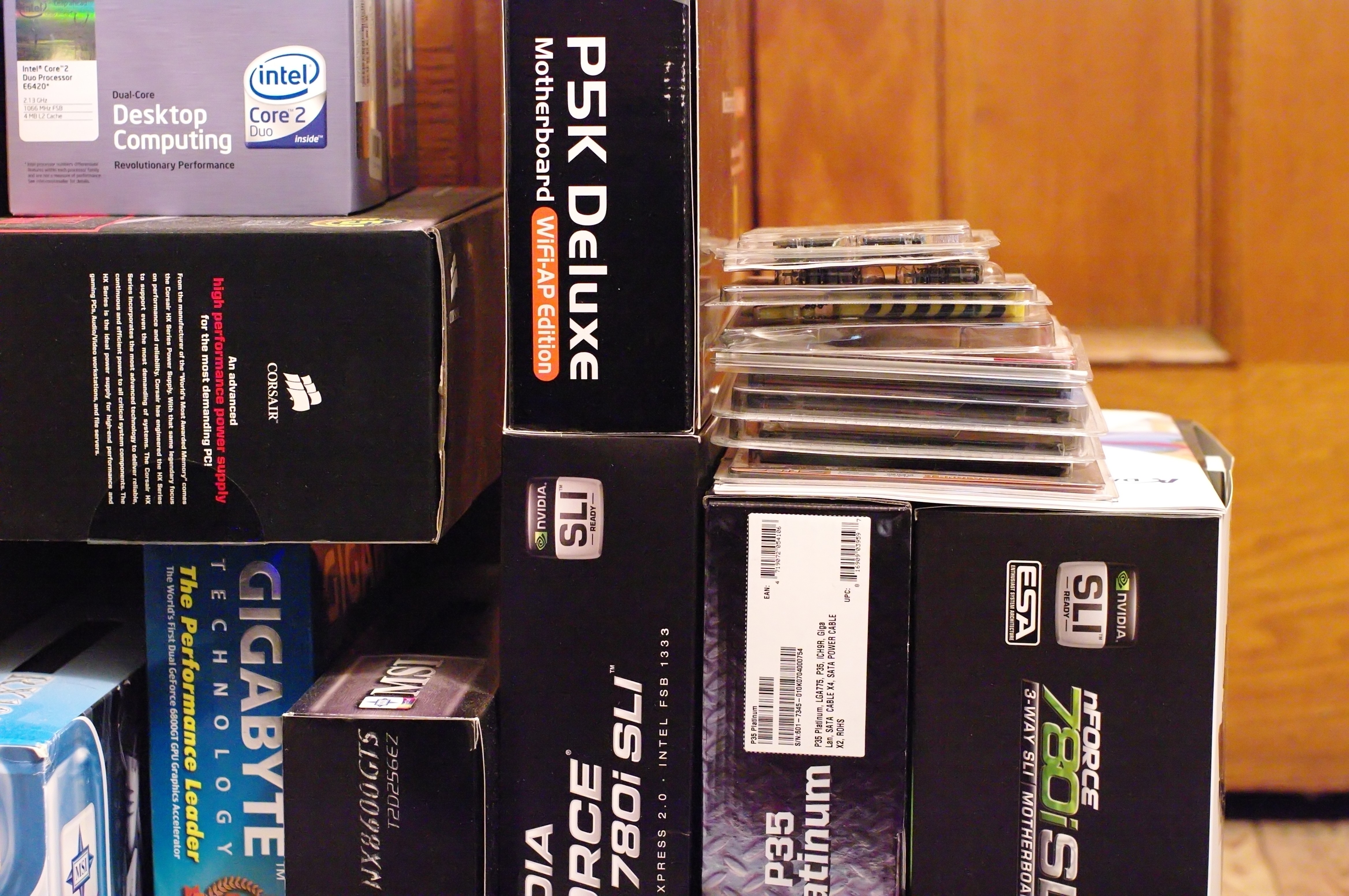 |
Click on any of the above image crops for the full image. Note: Full size images are between 1.9MB and 11.7MB! |
||
Noiseware completely changes the dynamics of high ISO image capture on the K20D. The comparison of JPEG images that have been Noiseware-processed to the original in-camera JPEG images shows a dramatic improvement in image quality, particularly at ISO 800 and beyond.


 Facebook
 Twitter
 RSS
RSS


61 Comments
View All Comments
aeternitas - Saturday, August 2, 2008 - link
http://www.fredmiranda.com/IS/">http://www.fredmiranda.com/IS/aeternitas - Saturday, August 2, 2008 - link
1. When doing comparison shots, have a mouse over load the second image and a mouseoff show the first. Or simply have one image and a list of links that dynamical and instantly change that image so comparisons can be made in detail. This is what any self respecting site that has to so with image comparisons would do. This screams "early 90s"2. Though one is usually important, its not here for the even worse reason that the originals were all far better than the filtered images! Why bother uploading this rubbish? Did you even bother to compair or is your eye that attracted to the early digital noise reduction effect of smearing?
2a. Look at the red detain in the water of the beach in the unaltered image. Then look at them in the "improved" version
2b. Look at the boat image, look at the sail lines in the unaltered then the altered.
HORRBLE and clear examples. Im not sure about this program. Im not sure what it can really do, but for someone to upload this crap as examples shows that I shouldent really rely on them for a review of the product. If i were trying to sell this product id have a word or two with you about taking this whole thing down because at 70$ this isnt aimed at grandma. This is aimed at the kind of people reading this! I wouldn't buy this if you gave me 70$ to screw up my images judging by this review.
If any of you want a real program to actual improve digital imagery, here is one made by a actual professional photographer with many years experience and a sharp eye for detail;
http://www.fredmiranda.com/software/">http://www.fredmiranda.com/software/
elmerFudge - Wednesday, July 30, 2008 - link
I was a bit wary at first in investing even a bit of money in software noise filters. Most smell of snake oil. But the current crop of noise filters, especially Noise Ninja do a very good job in the right hands. The examples shown lack detail where it counts: grass, waves, leaves, hair trees, sand and texture in general. Worst still the images look like a bad job with photoshop. Show us what a pro can do with that software. reducing noise is a trade-off. I don't mind film-like grain that hides noise. Inspecting one of the images(800-coming-lrg), the histogram is compressed and the highlights are blown. For this you could have considered a tri-pod and longer exposure.haplo602 - Tuesday, July 29, 2008 - link
I stopped reading after seeing the Sigma images. The processed ones were smeared and flat compared to the original ones. I did not even look at the full size images.Just look at the sea in front of the lonely boat in one of the pictures. Also the trees/bushes on the right side hill above the houses. I mean how can you be satisfied with such a loss of detail?
These heavy noise processing programs are only viable if your subject had large flat colored surfaces with little fine detail. Otherwise you end up with blocks of pixels sharing the color of grass but lacking any kind of detail that it actualy IS grass (same with stucco walls etc.).
royalcrown - Tuesday, July 29, 2008 - link
I realize the pace of exciting hardware has slowed since the 90's...but all these camera, Ipod, Iphone..yada yada, E3 reviews are BOOOOORING !! Did I mention boring yet........zzzzzzzzzzzzzzzzzzzzz ?
I only come here once a week at most because all this gadget crap is a snoozefest. No offense because I suppose it's slim pickings, just my 2 cents !!
ianken - Tuesday, July 29, 2008 - link
NR has its place, but even in these web-res samples you can see an utter devastation of detail in the water shots.NR simply replaces random noise with deterministic noise. Where possible you want it to be a subtle as possible. Most professional restoration or NR efforts are very hands on and manual and for good reason: differentiating between detail and noise is very non trivial, and even more-so with still images.
IMHO in these samples it's about as subtle as a brick to the head.
Perhaps these samples are not indicative of what the software can really do?
n4bby - Monday, July 28, 2008 - link
you have got to be kidding me. those Noiseware-processed Sigma images are TERRIBLE. it totally obliterates fine contrast and kills the resolution of the images. at these web image sizes, i clearly prefer the originals. i work closely with image editors at a professional stock photography site and believe me, those processed photos would NEVER be admitted into our library. the original "noisy" ones might be acceptable though (if the subject matter were more compelling, but that's a different matter).we all appreciate the effort, and we know the ad dollars help the site which in turn helps us, but please - leave the digital photography reviews to the pros, and stick to topics your staff is qualified to comment on.
Traciatim - Monday, July 28, 2008 - link
I didn't see a rebuttal here, but for those that compared the file sizes differ drastically which is why the quality difference that is not the case. JPEG has an incredibly hard time compressing noise, which is why when the noise is removed the file size drops by huge amounts.Take for example the two images below. I wandered outside and took an ISO 100 TIFF with my old Olympus C5050Z. I used Photoshop to chop out a 1000x1000 section of cloud. I saved the new image as a JPEG with very good details settings. I then did a Gaussian Blur of 1.5 pixels and saved the same image (simulating a noise reduction, I usually use Neat Image but recently went through a reinstall) and saved the image with the same JPEG settings. Now each image that is 1000x1000 is either 296505 bytes, or 119464 bytes, less than half the size.
Keep in mind you can use this trick to blur things in images to make your content smaller. If you have a web cam you can put things just a shade out of focus to increase your frame rates, and also if you can find a video noise filter program for your web cam to seriously improve your frame rates with lower bandwidth.
Image 1 (Bo Blur):
http://i201.photobucket.com/albums/aa229/Traciatim...">http://i201.photobucket.com/albums/aa229/Traciatim...
Image 2 (Blur):
http://i201.photobucket.com/albums/aa229/Traciatim...">http://i201.photobucket.com/albums/aa229/Traciatim...
haplo602 - Tuesday, July 29, 2008 - link
well the JPEG compression will also create more loss of detail on the noise-reduced images, because it can compress them more aggressively. so that's a double edged sword.Deadtrees - Monday, July 28, 2008 - link
Many people have been complaining about your using 'Nvidia SLI' box for the high-ISO/noise-level test, yet you don't seem to care.I mean, what kind of reviwer uses 'glossy paper box' for noise tests?
Please use something that has details.
From time to time, you bashed internet reviews that are more like benchmarks and promised to bring field reviews. You not only failed to bring such reviews but also failed to do a simple benchmark one.
Please...Anandtech deserves better....