



Apple Mac Pro (Mid 2010) Review
by Anand Lal Shimpi on October 6, 2010 9:26 PM ESTCPU Options
Intel continues to sell both 45nm Nehalem based Xeons as well as 32nm Westmere models. As a result, Apple offers both in its new Mac Pro lineup. If you aren't familiar with the two architectures have a look here and here.
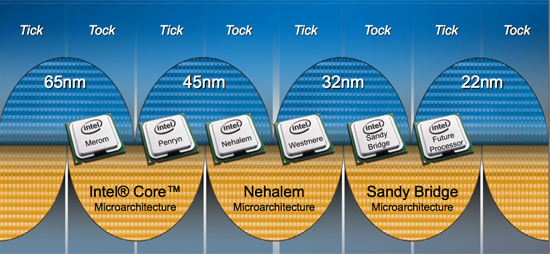
The entry level single-socket quad-core uses a Nehalem Xeon, the rest of the lineup (all six-core and two-socket quad-core) uses Westmere based Xeons. As a result, the single-socket quad-core Mac Pro has an 8MB L3 cache while the rest have 12MB L3 caches (as well as the other Westmere enhancements). Unfortunately Apple is still slow to adopt AES-NI so one of the major Westmere features goes unused in OS X.
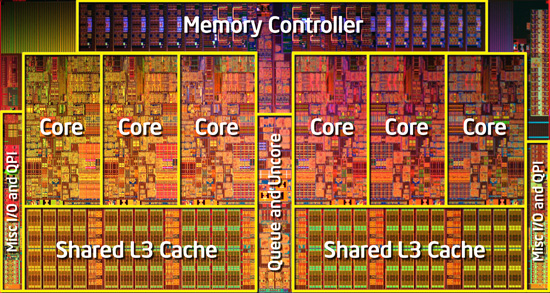
There are other differences between platforms. The quad-core options (Nehalem and Westmere) all support DDR3-1066, only the six-core CPUs support DDR3-1333.
The added cache should help performance but the bigger improvement will be in power consumption. You'll be able to get more cores at the same power levels as the Nehalem Mac Pro, or the same number of cores at lower power.
The single socket systems use a physically different CPU/memory daughterboard, so there’s no hope for those wanting to simply stick in another CPU down the road.
Turbo is still alive and well but the frequency gains aren’t all that great. The single socket quad-core runs at 2.8GHz and can turbo up to 3.06GHz, while the eight-core configuration starts at 2.40GHz and can only turbo up to 2.66GHz.
Roadmap
With the arrival of Sandy Bridge imminent, you might ask - why buy a Mac Pro today? And I might answer, Sandy Bridge isn't imminent for everybody.
In 2008 Intel introduced the Nehalem based Xeon and Core i7 CPUs. This architecture was the basis for the original Mac Pro. From 2008 through the end of 2009, Nehalem was not replaced at the top of the processor stack. There were more affordable derivatives (Lynnfield), but nothing usurped Nehalem's role as the top dog. Having just been updated last year, Lynnfield skipped an upgrade in 2010 and instead we saw Nehalem's replacement (Westmere, in the new Mac Pro) and new dual-core offerings (in the new MacBook/MacBook Pro). When Sandy Bridge arrives in early 2011, it won't replace any 6-core offerings in the product stack. You'll see some very competitive quad-core CPUs, but if you need more threads you'll have to wait.
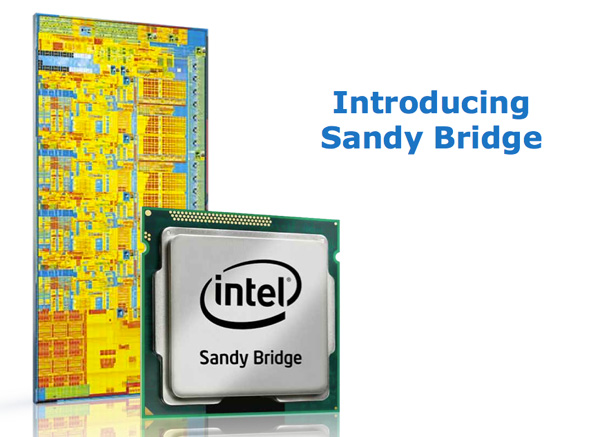
How long? Probably until Q4 2011 at the absolute earliest for 8-core Sandy Bridge based parts. Apple could update the entry level quad-core Mac Pro to Sandy Bridge before the middle of next year however.


 Facebook
 Twitter
 RSS
RSS


84 Comments
View All Comments
Zokudu - Wednesday, October 6, 2010 - link
A Mac Pro has been tempting me for years. It seems like such a wonderful machine. Anand would you say getting a Mac Pro over saw a build it your own of the same caliber is worth it? I can understand if your deeply ingrained into the Apple system but for an outsider does it hold a lot of value?brausekopf - Thursday, October 7, 2010 - link
Just buy a 999$ Mac Book or maybe a used one and check it out for yourself!I am just using a Mac Book Pro as a development system targeting the iPhone. And after having used many Windows versions and many Unix flavors I would not put Mac OS on the top of my list. But it is usable.
xype - Thursday, October 7, 2010 - link
Weird, after using OS X, I wouldn't even put Windows or Linux on my list. :Prqle - Thursday, October 7, 2010 - link
friend recommended i try osx. my day job is all unix, and osx annoy the shit out of me.Flunk - Friday, October 8, 2010 - link
If you're used to Unix, Linux is probably the best bet for a desktop OS.B3an - Thursday, October 7, 2010 - link
No idea why anyone who is capable of building there own system would buy an over priced Mac. Theres nothing special or magical about them regardless of Apple advertising. They just use PC components. Learn to "Think Different" ... or rather think for yourself.You can not only get faster hardware, but also higher quality hardware for the same sort of price as a Mac Pro. Not to mention a graphics card that's actually good and a fully capable and more advanced OS.
marioyohanes - Monday, October 11, 2010 - link
Because I want everything to become simple so I can focus more on my job rather than busy fixing this and that from my computer. Simple thing should remain simple, while complex thing should be simpler than ever.at least that's my opinion...
zero2dash - Monday, October 11, 2010 - link
"Because I want everything to become simple so I can focus more on my job rather than busy fixing this and that from my computer. Simple thing should remain simple, while complex thing should be simpler than ever."Sounds like you should spend more than 10 minutes putting one together with shoddy parts or bother stress testing your overclock - then you might not have to fix anything either.
The only computers I have to "fix" these days are prebuilts with the garbage psus that usually crap out in the 2-3 year window. Gateway, Dell, HP etc. doesn't matter, they all use crap psus. If they actually used something decent like a cheaper Antec or Seasonic, they'd run practically forever.
TD912 - Monday, January 3, 2011 - link
That's kind of what he means. You need to spend the time to build and test and tweak everything instead of having something that is ready to use out of the box.cotak - Friday, October 15, 2010 - link
That's because you never opened one up right? Never owned one and used it day to day?If Dell, or any of the built it yourself case vendors do cases like the Mac Pro they'll charge you more then apples does for the same hardware.
It's like saying why buy a BMW 323 over say an accord. the BMW's a basic car, doesn't have a lot of features, doesn't have a lot of power. And no it's not for everyone. But by god it rotates on corners vs feeling like the front's going to fly off. That's why my brother basically drove one for 10 minutes and decided to buy it.
That's what apple brings to the laptop, the desktop and the smart phone.
If you never had the money to buy one or work where they give you one, you'll never know.